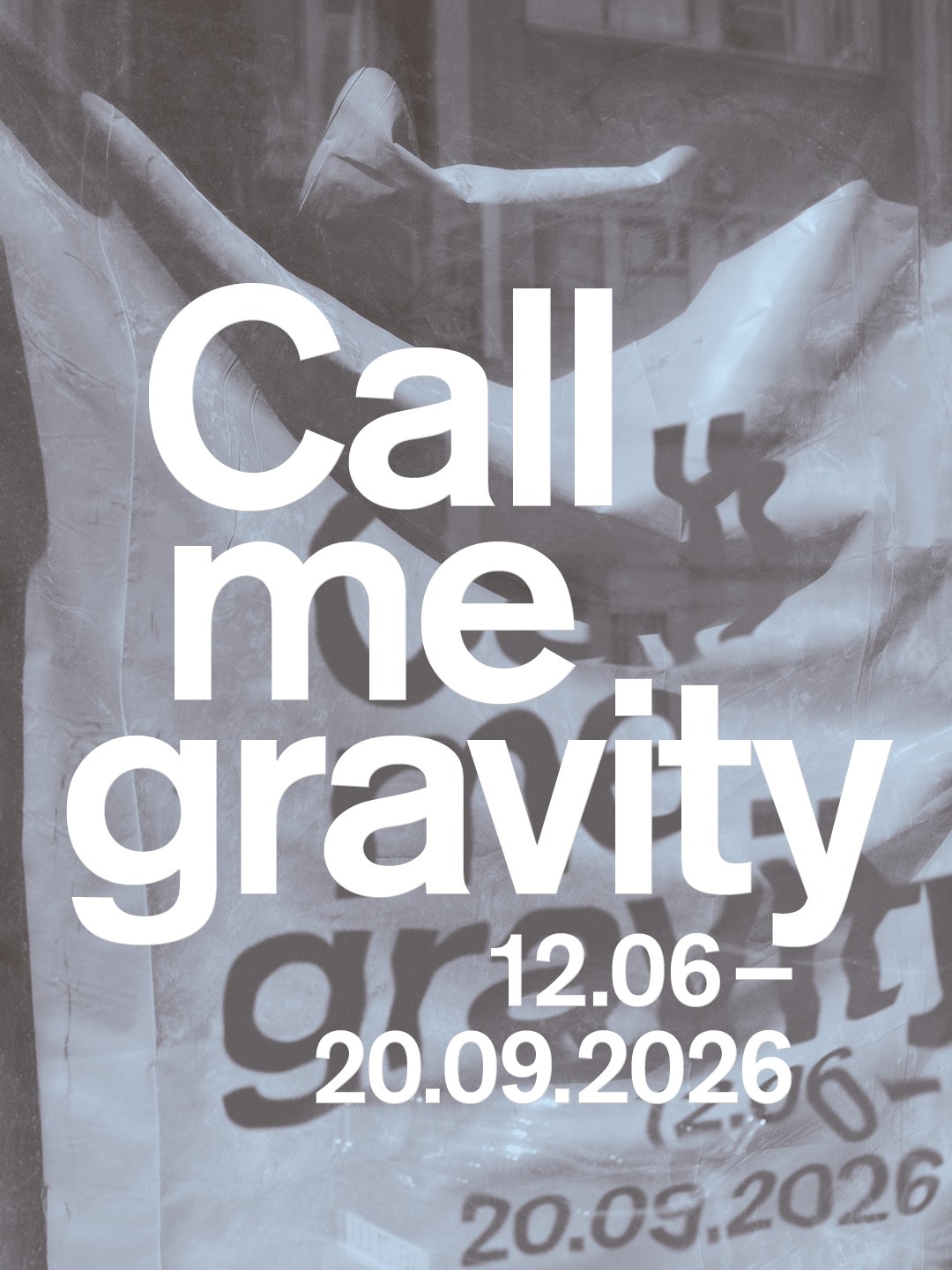
Within the framework of the exhibition Call me gravity, Miriam Stoney performs Ununits of Gravitas.
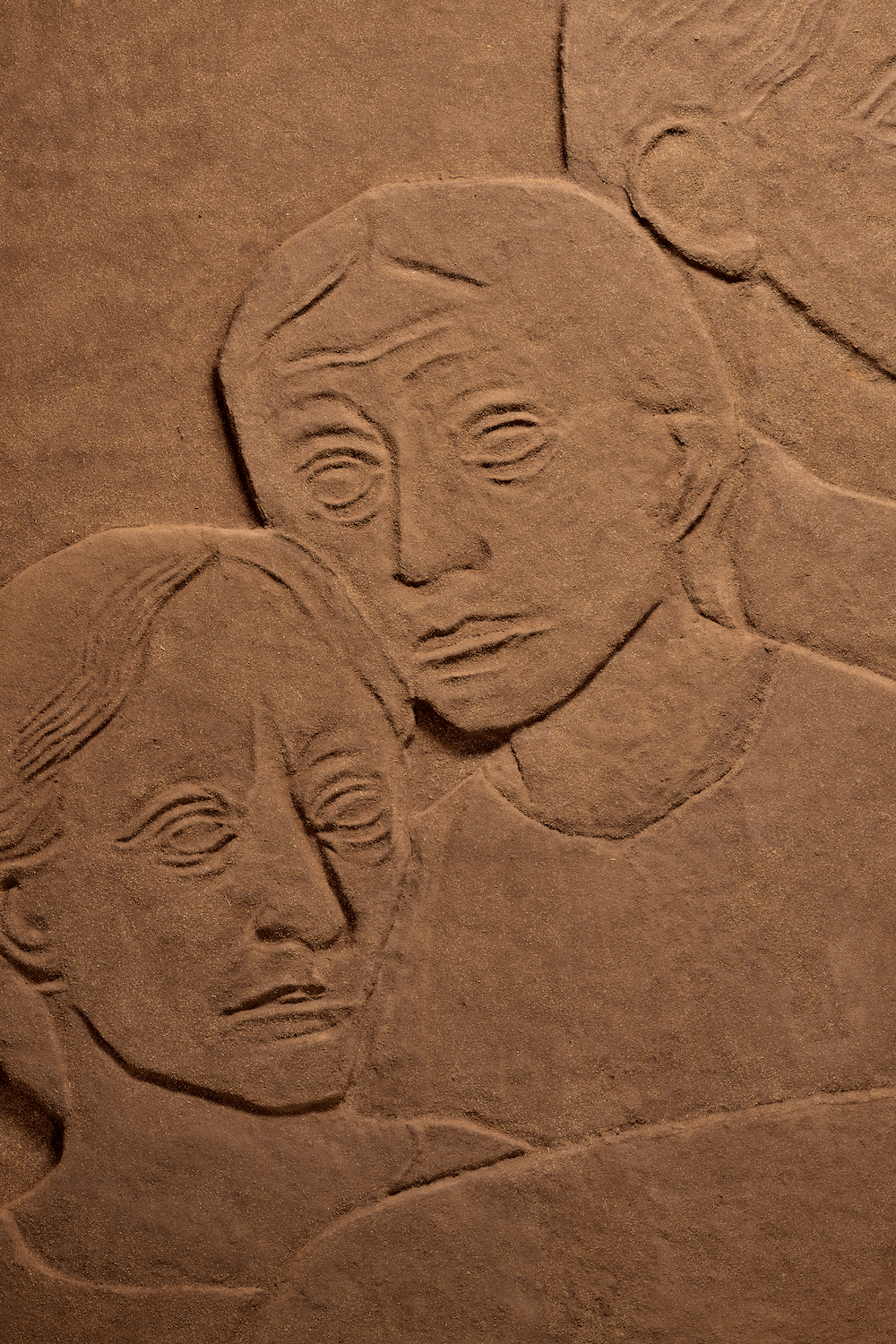
Ununits of Gravitas is part of the broader project of Research (London, Paris, Vienna), an ongoing performance revolving around one central question: how do cultural representations intersect with histories of measurement, the symbolism of weight and gravity, and the belief in commensurability that underlies concepts of exchange and debt?
And in doing so, how might aesthetics, poetics, and desire conspire to produce history in ways that are not positivist, but intuitive?
The resulting performance questions how meaning is constructed, displayed, and made legitimate, staging the production of non-knowledge. Through an investigative yet deliberately non-scientific approach, it opens up an affective, “reparative” mode of engagement with history, where uncertainty becomes not a limit, but a method.
Westside - Institution
Rue Van Volxemlaan 354, 1190, Brussels
Visit the website
Wheelchair accessible venue
With wheelchair-accessible toilets
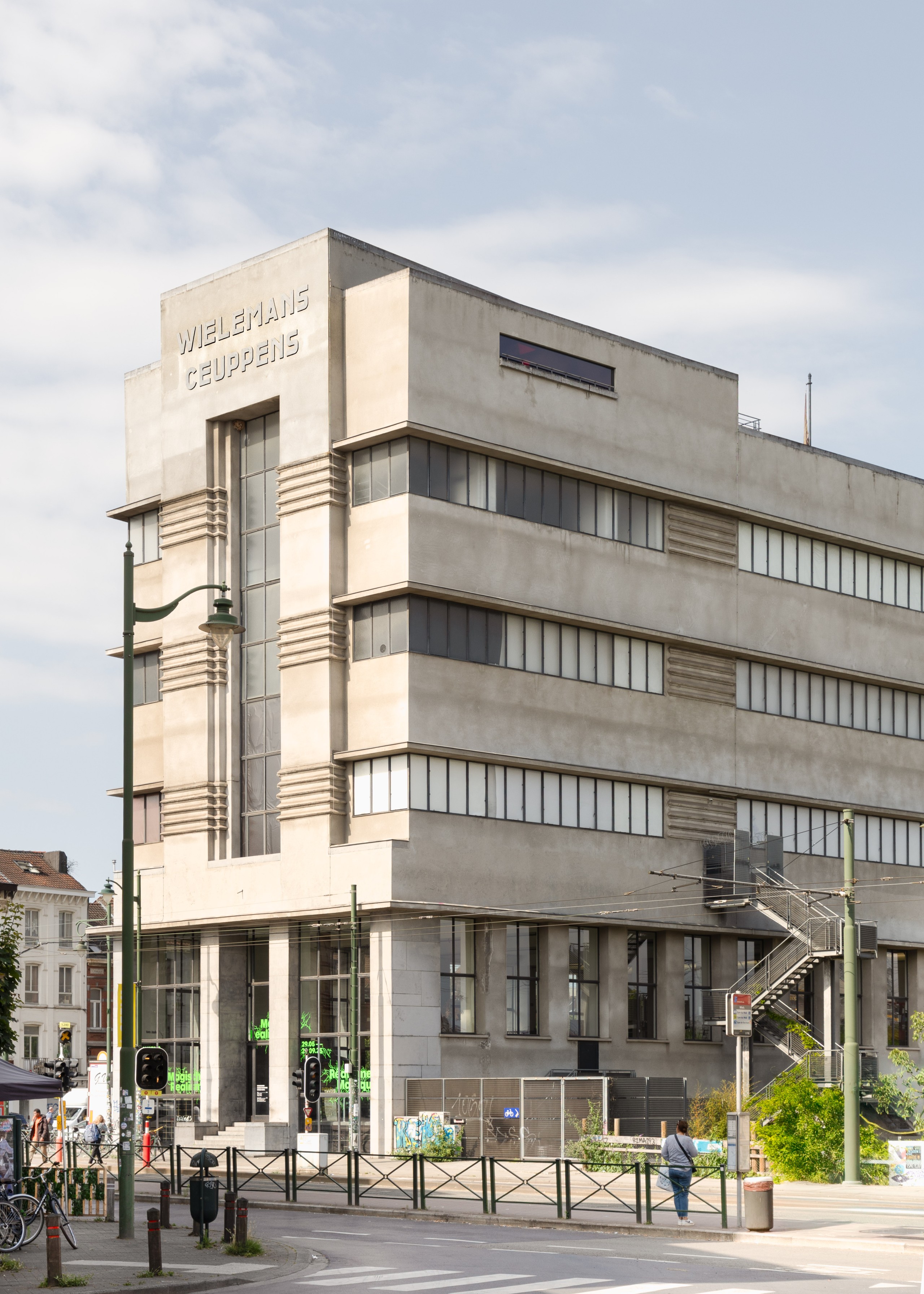
WIELS is the leading centre for contemporary art in the heart of Europe’s capital. It’s a space for innovative ideas and creative experiences. WIELS aims to enrich the debate, provide new perspectives and stimulate the senses with a daring program.