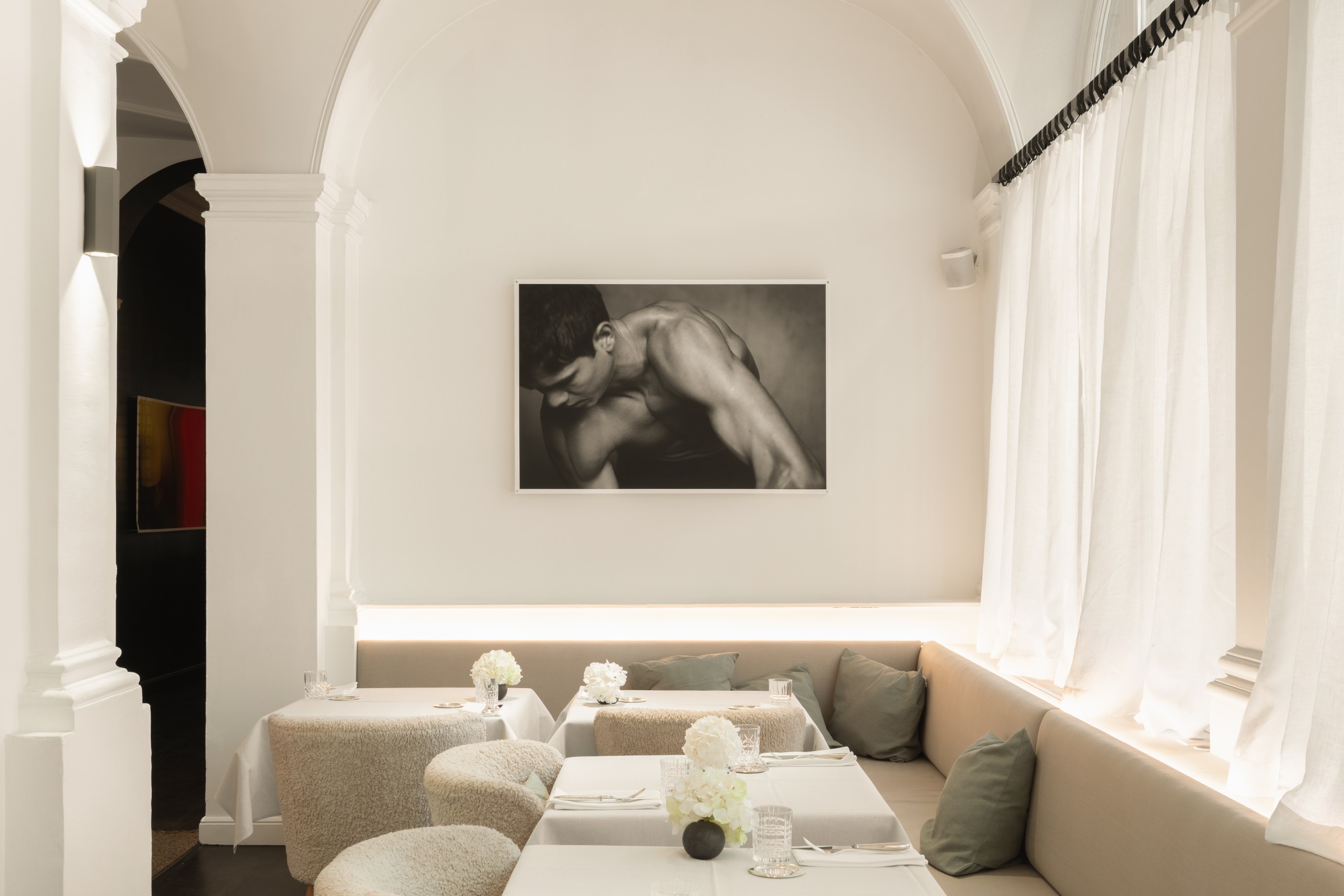
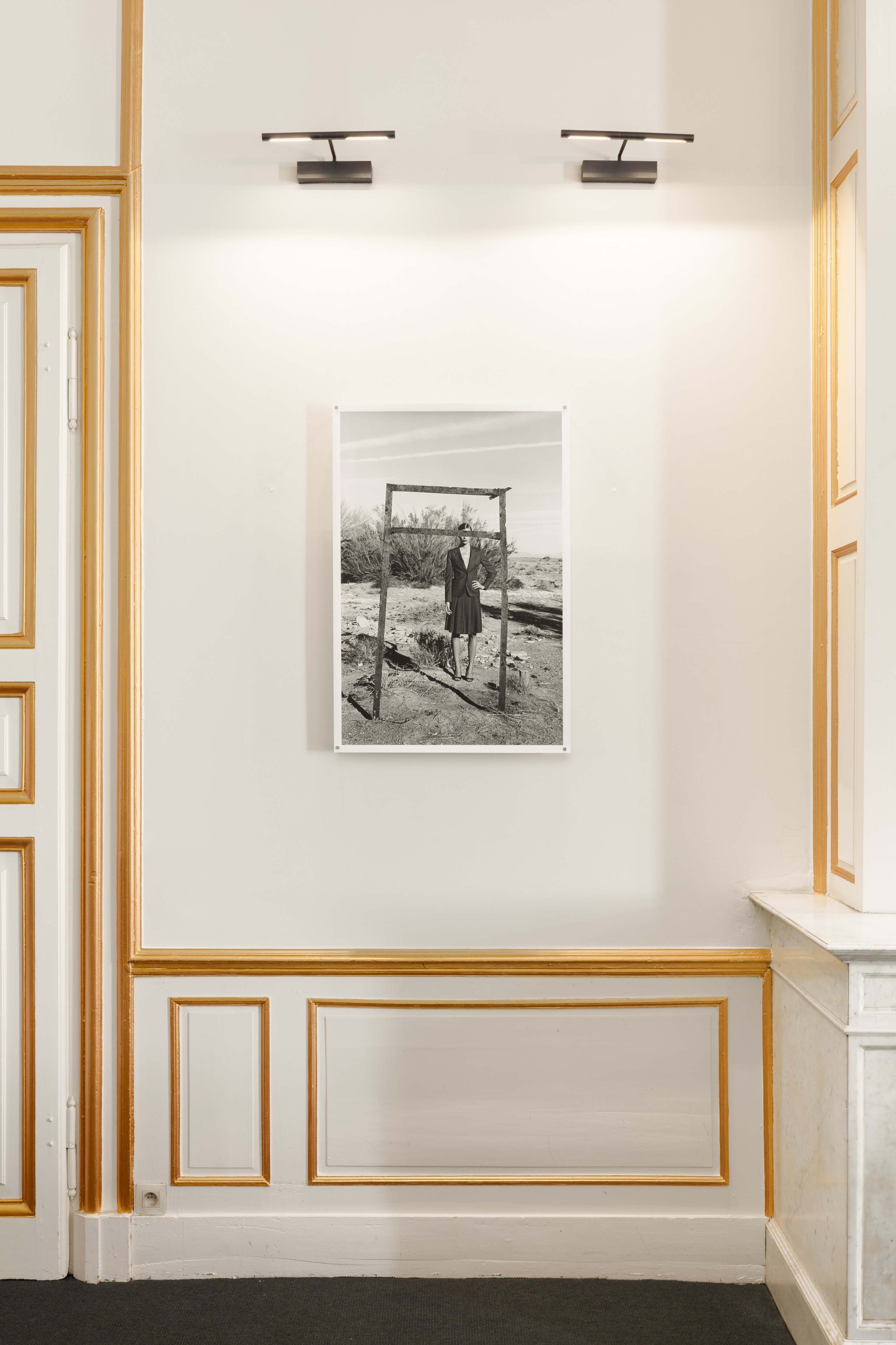
Every photograph by Peter Lindbergh (1944–2019) holds a story that extends beyond the frame. A suspended emotion, a breath, a silent thought. A gaze that does not seek the camera but seems to follow something invisible.
PETER LINDBERGH. HORS-CHAMP challenges visitors to look behind the image and outside the frame. To explore that invisible space where emotions are born, where light reveals more than it illuminates, and where shadows uncover the essence of a human being. An exhibition that invites us to see what cannot be shown, and to feel what can never truly be captured.
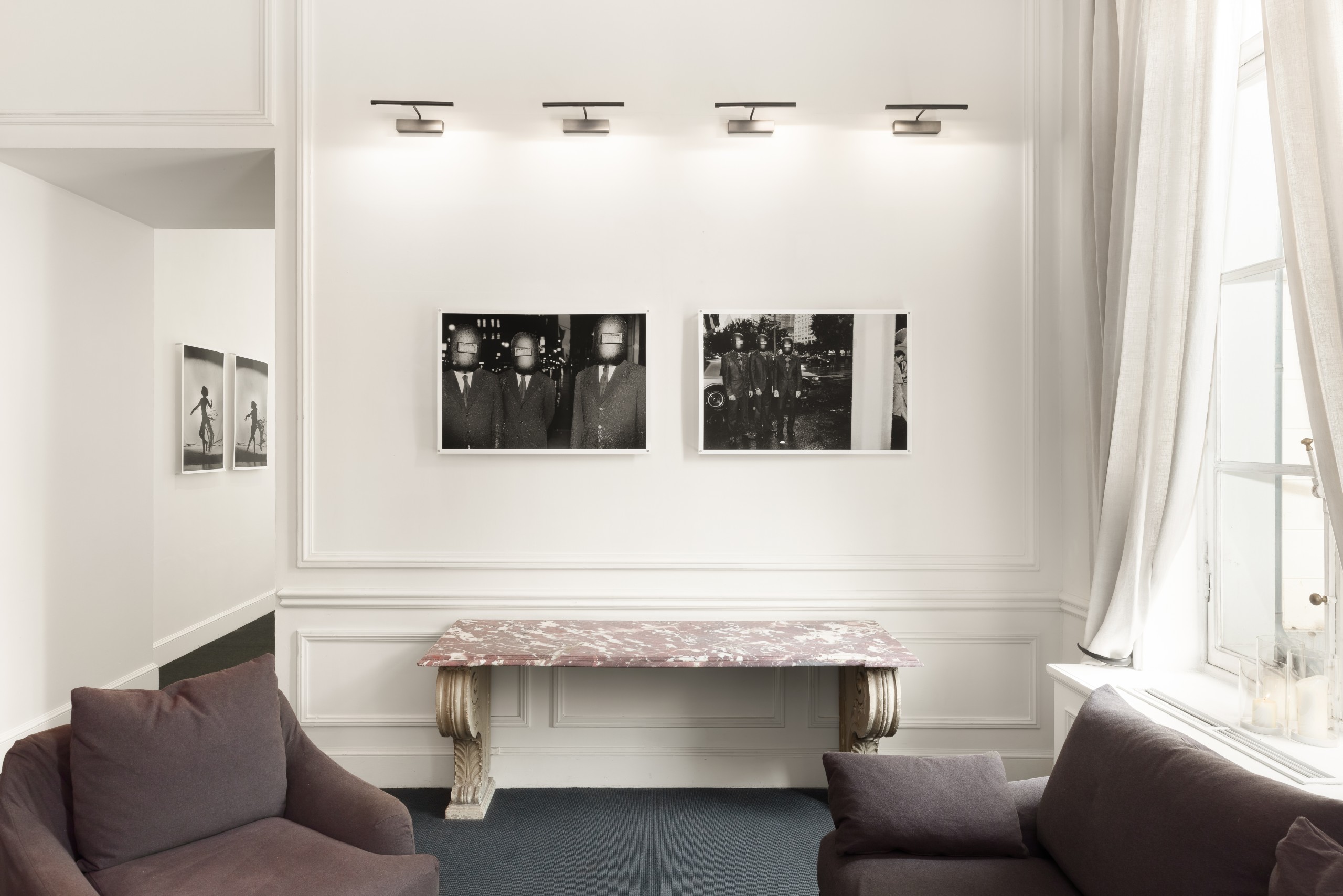
Curated specifically for TheMerode, PETER LINDBERGH. HORS-CHAMP unfolds throughout the entirety of the members’ club, transforming its rooms, passages and corners into a continuous encounter with the photographer’s work. The site-specific installation responds to the singularity of the spaces: a living, intimate and social environment where art is experienced not at a distance, but as part of everyday life.
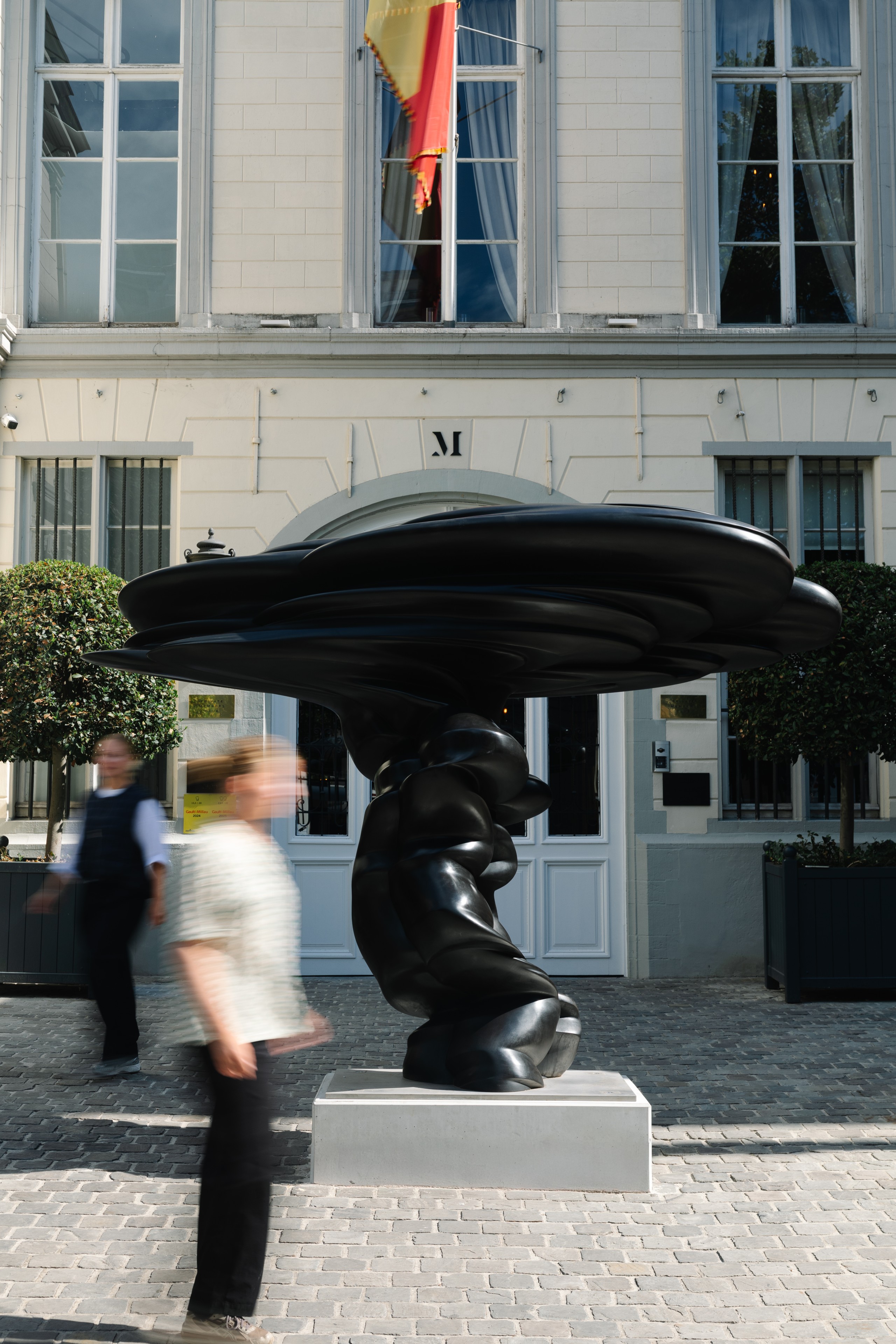
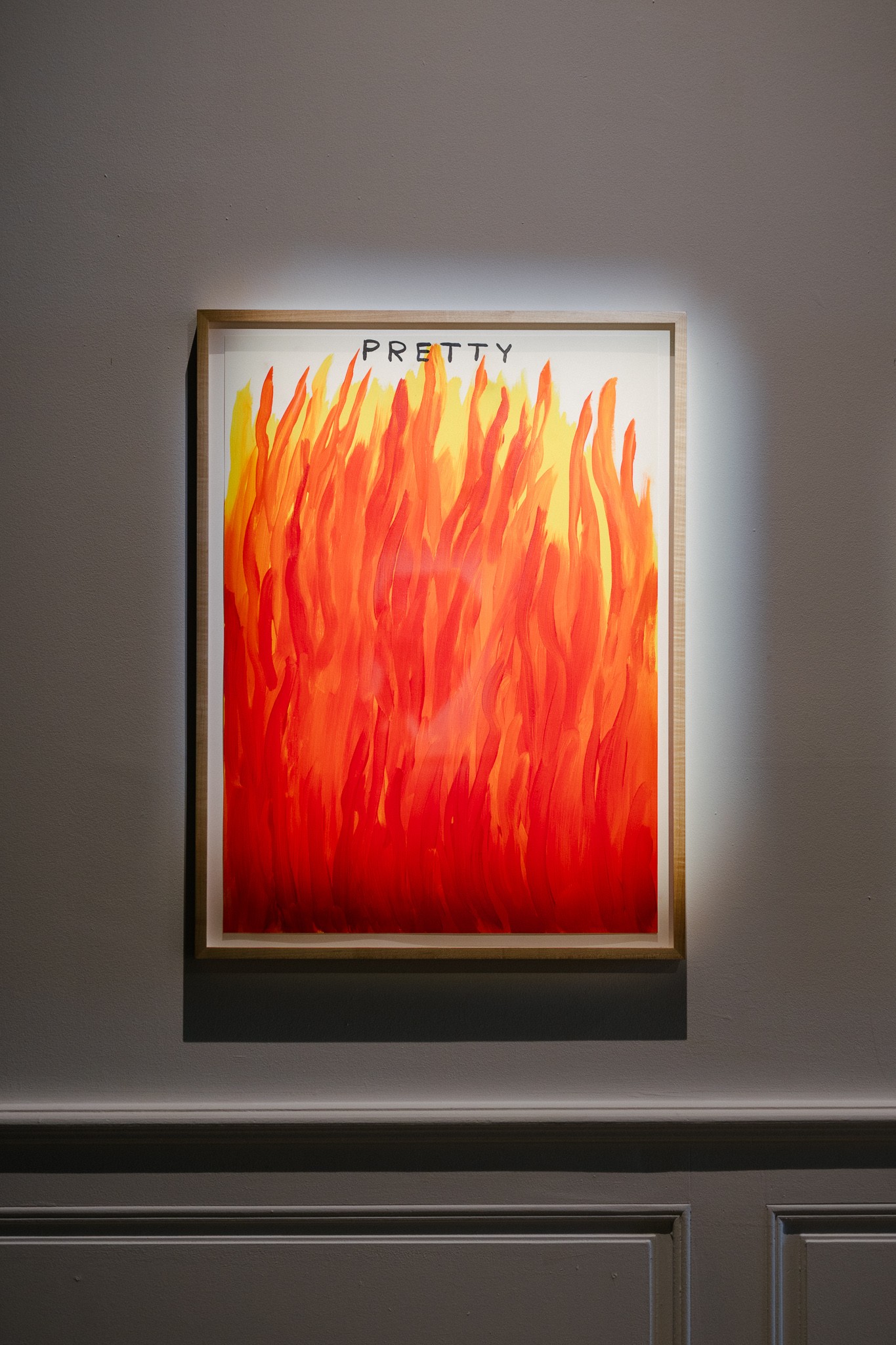
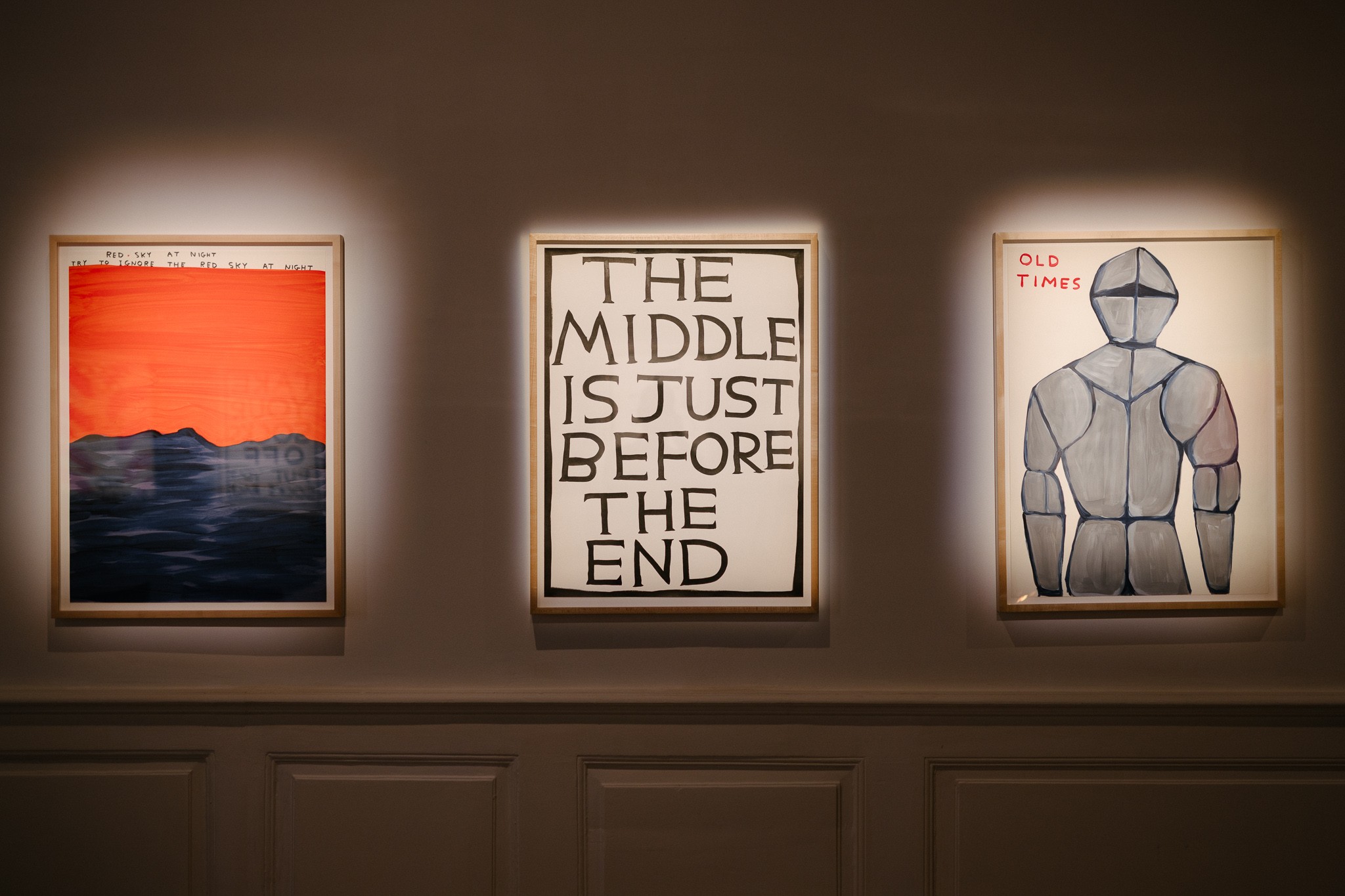
Lindbergh’s photographs enter into conversation with the works already inhabiting the club, creating spontaneous connections across mediums, generations and artistic languages. The raw physicality and sculptural presence of Tony Cragg finds an echo in Lindbergh’s fascination with bodies, matter and industrial landscapes; Marina Abramović’s video installation resonates with his exploration of presence, vulnerability, time and the intensity of the human gaze; while the vivid, irreverent illustrations of David Shrigley create a deliberate counterpoint to Lindbergh’s monochromatic universe.
The unprecedented choice of medium extends Peter Lindbergh’s pursuit of truth beyond the image itself, into the very material on which it appears. Printed on soft, uncoated white paper, without finish, frame or mounting, the photographs are stripped of the conventions and preciousness traditionally associated with exhibition photography. Nailed directly to the wall, they retain something immediate, fragile and almost provisional, closer to a working print, a page, or an image encountered in the intimacy of the studio than to an untouchable museum object.
This deliberate absence of artifice echoes Lindbergh’s own rejection of perfection and embellishment. The medium’s softness, imperfections and vulnerability become part of the work, removing any physical distance between the visitor and the photograph. Nothing competes with the image: no glass, no frame, no polished surface. Attention is drawn entirely towards the sitter’s gaze, their gesture, the light — and ultimately, the emotion.
PETER LINDBERGH. HORS-CHAMP therefore refuses to monumentalise the photograph through its presentation. Instead, it embraces something raw, humble and ephemeral. For the artist, “Beauty is having the courage to be yourself.” Here, beauty emerges not from preciousness, but from truth; not from protecting the image from the world, but from allowing it to remain exposed to it.
Curated by Benjamin Lindbergh and Thoaï Niradeth