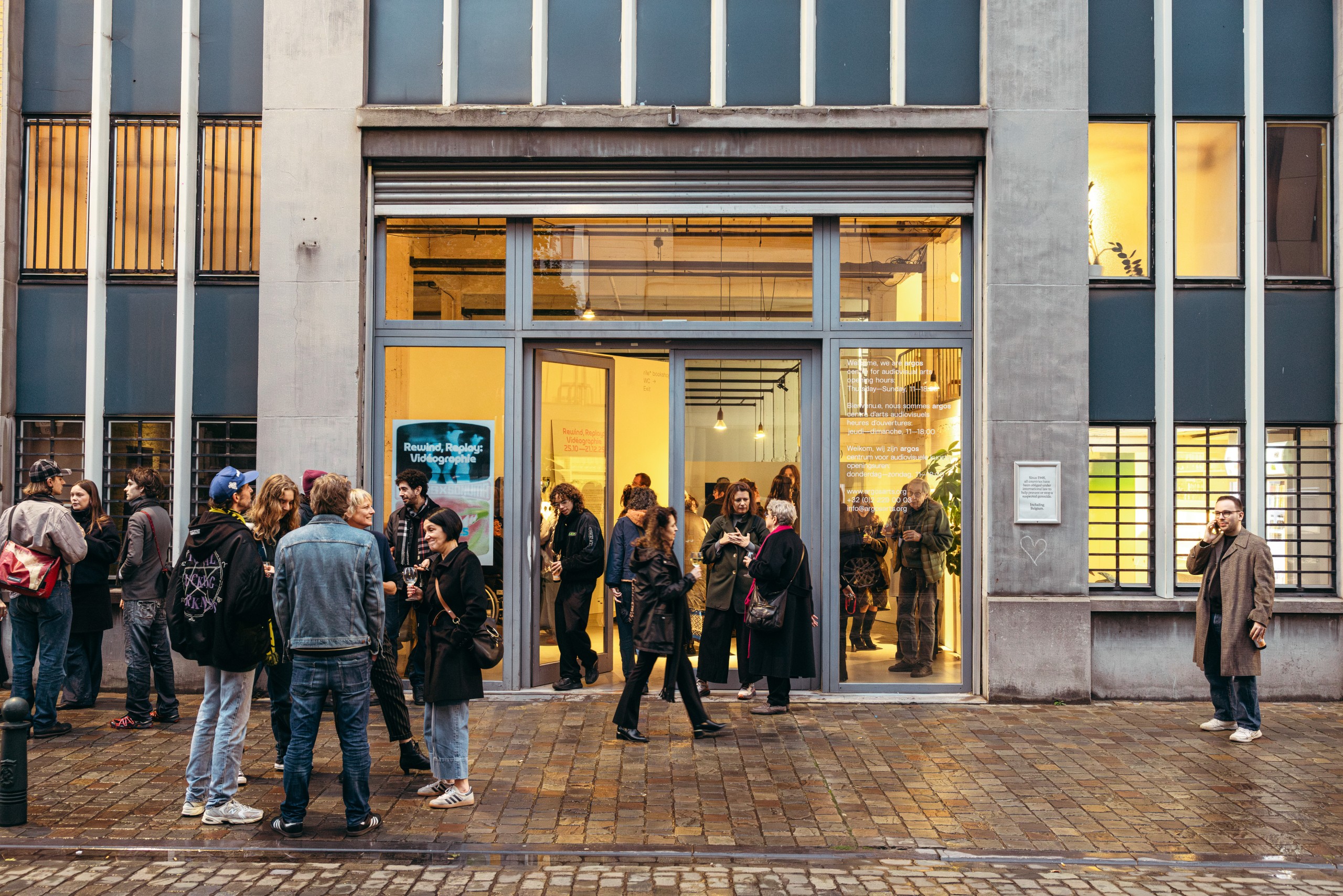
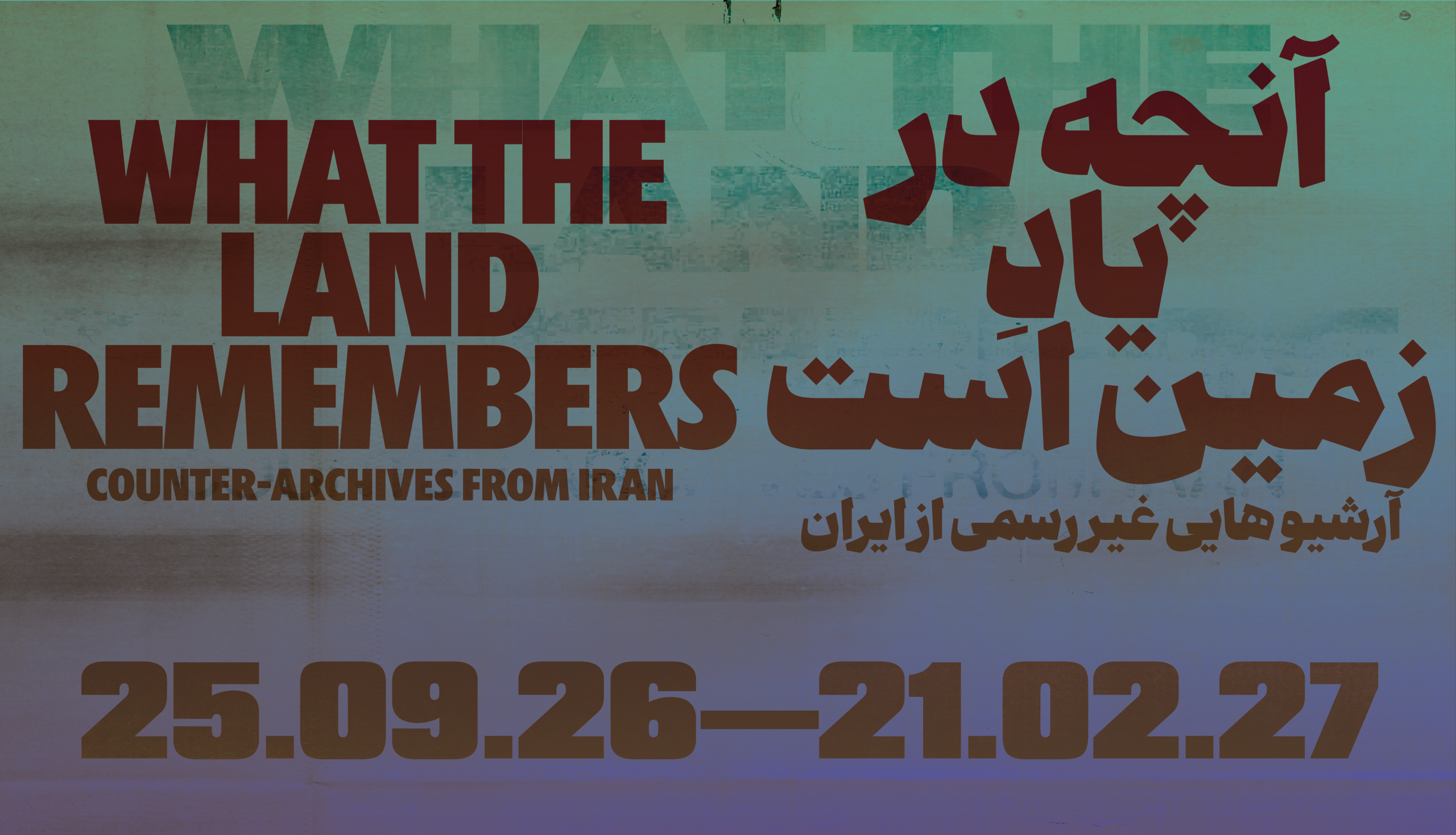
In times of repression, recording becomes an act of defiance. At a moment when war is waged over Iran and communication with the country is constantly under threat, the need to preserve history grows more urgent. This exhibition, two years in the making, feels more important now than ever. With institutionalized terror, internet blackouts, bombings and the destruction of archives, every image becomes a lifeline: a witness, a storyteller and a guardian of collective memory.
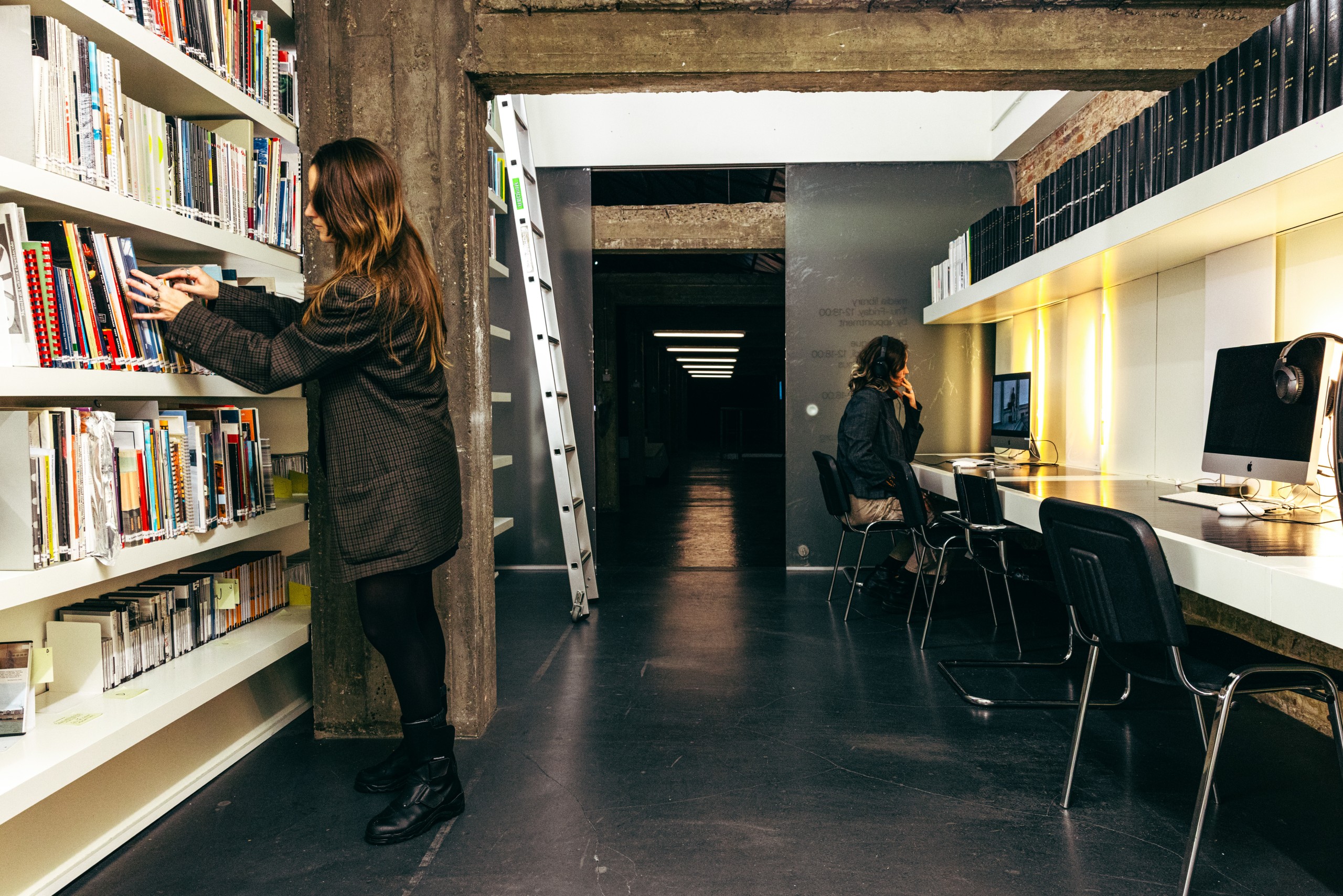
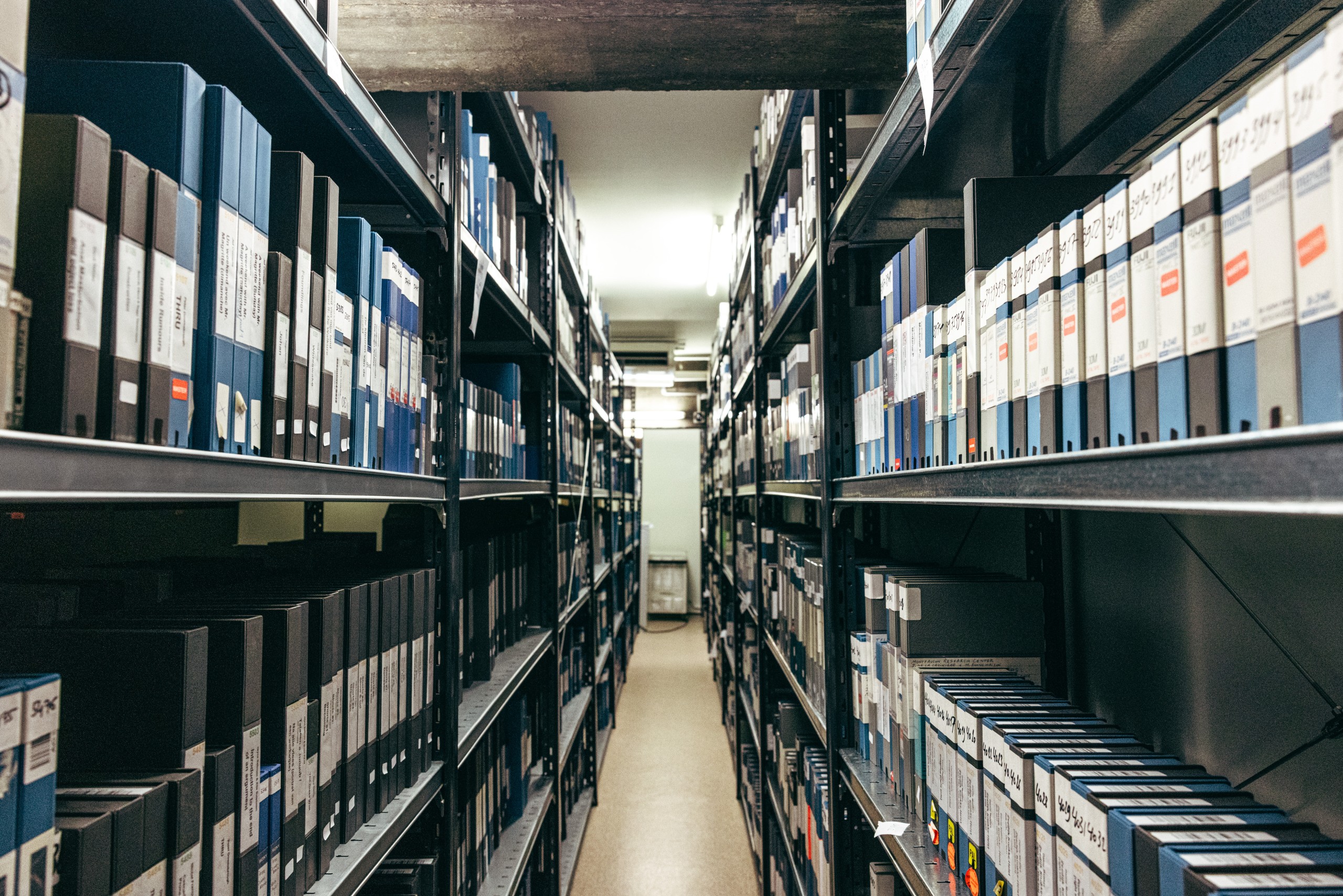
What the Land Remembers shows how moving images can defy official narratives and protect the stories that political powers try to erase. At its heart lies the Parking Video Library, an independent counter-archive founded in Tehran in 2004 by artist and curator Amirali Ghasemi. For over two decades, it has safeguarded a fragile yet essential collection of Iranian and transnational films: documentaries, experimental works and personal recordings. Created under censorship, risk and scarcity, it remains to this day a rare space for education, preservation and community-building in a country with little institutional support for experimental media.
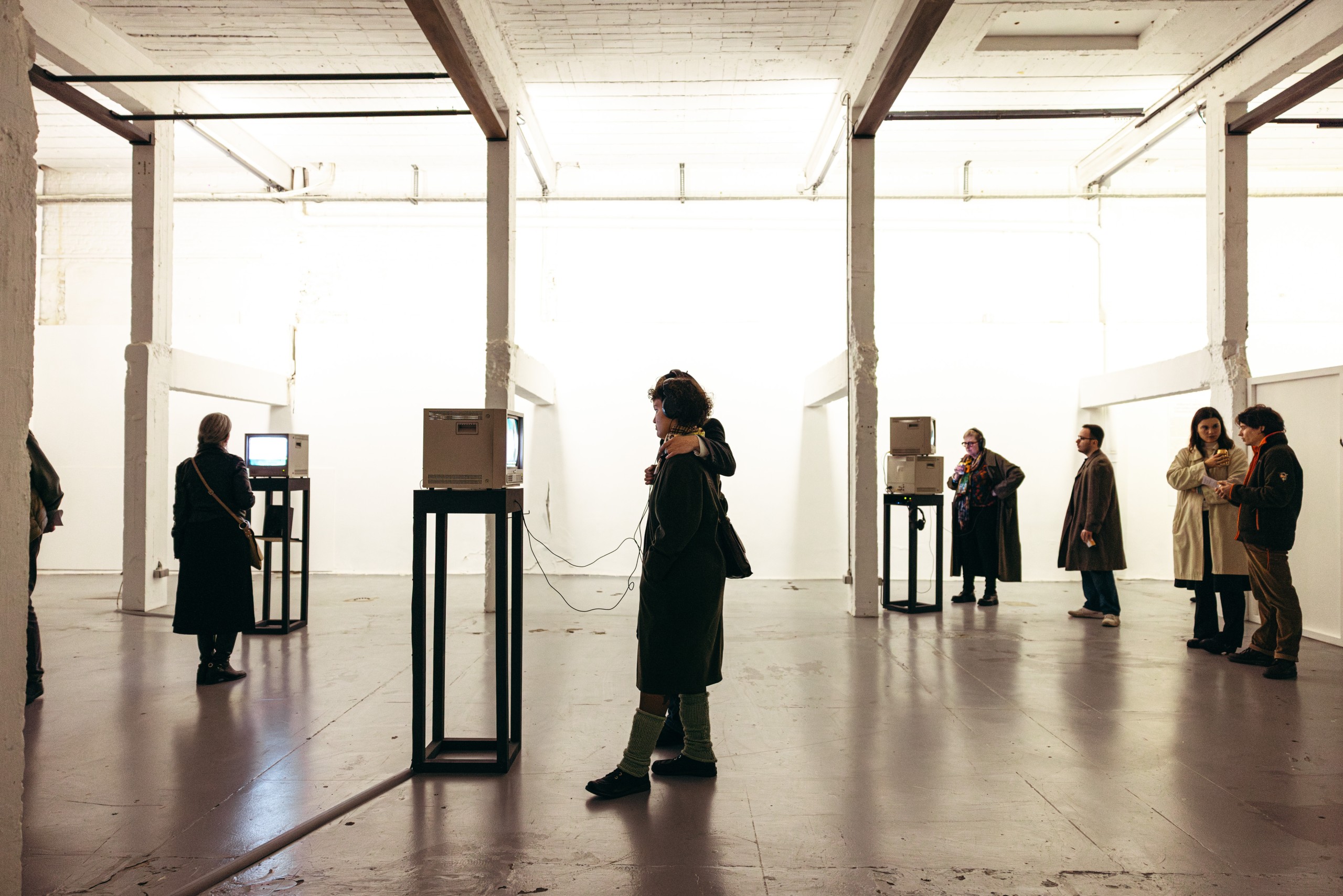
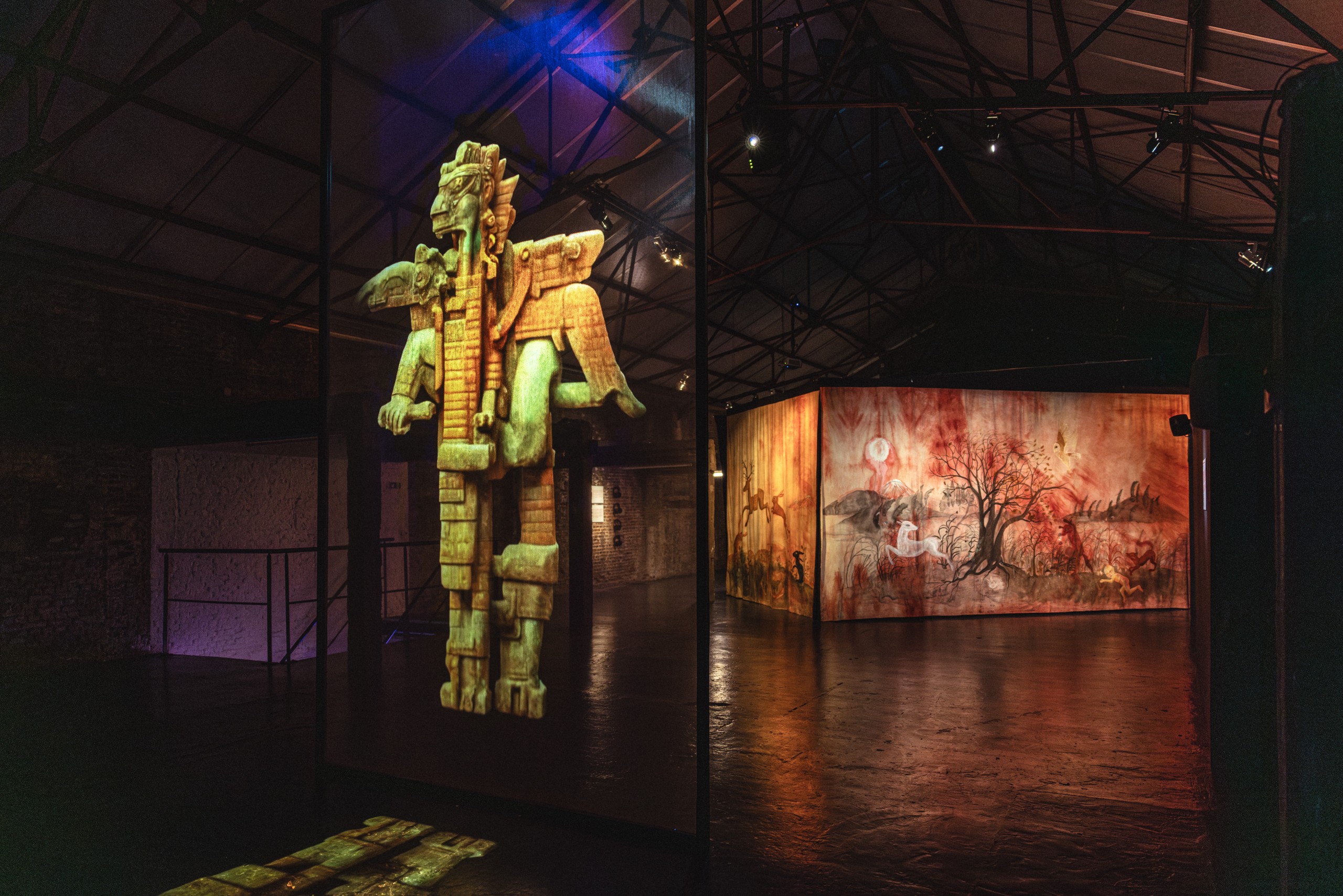
The exhibition features rarely seen installations, rediscovered tapes, experimental films as well as early digital works that emerged during Iran’s transition from analog to digital. Through two thematic constellations, it traces the evolution of Iranian artistic production from the 1990s to the present day.
Revisit — Early Encounters restages early experiments in their original form, shaped by the aftermath of war and limited cultural infrastructures. They bear witness to the resilience of artists working outside official frameworks.
Southwest, on the other hand, highlights contemporary works that focus on Iran’s oil-rich southwestern region. They reveal the ecological and geopolitical impacts of extraction, war and colonialism.
By presenting these works outside of Iran, the exhibition reimagines the archive as an active space for circulation, transmission and sharing. In a time when cultural memory is under threat, displaying these works is an act of preservation, public testimony and resistance. Join us in exploring how the camera and the archive can become powerful tools against erasure.
With works by: Sara Abbasnejad, Sana Ahmadizadeh, Ghazel, Mohammad Hassanzadeh, Anahita Hekmat, Minoo Iranpour, Simin Keramati, Mina Keshavarz, Golriz Kolahi, Anahita Norouzi, Neda Razavipour, Sanaz Sohrabi, Morteza Soorani, Sadegh Tirafkan
Kanal’s opening weekend programme is already completely packed—but for those who simply cannot get enough, we’re just around the corner. Double down on your cultural weekend with our screening programme, or just drop by to rest your feet.
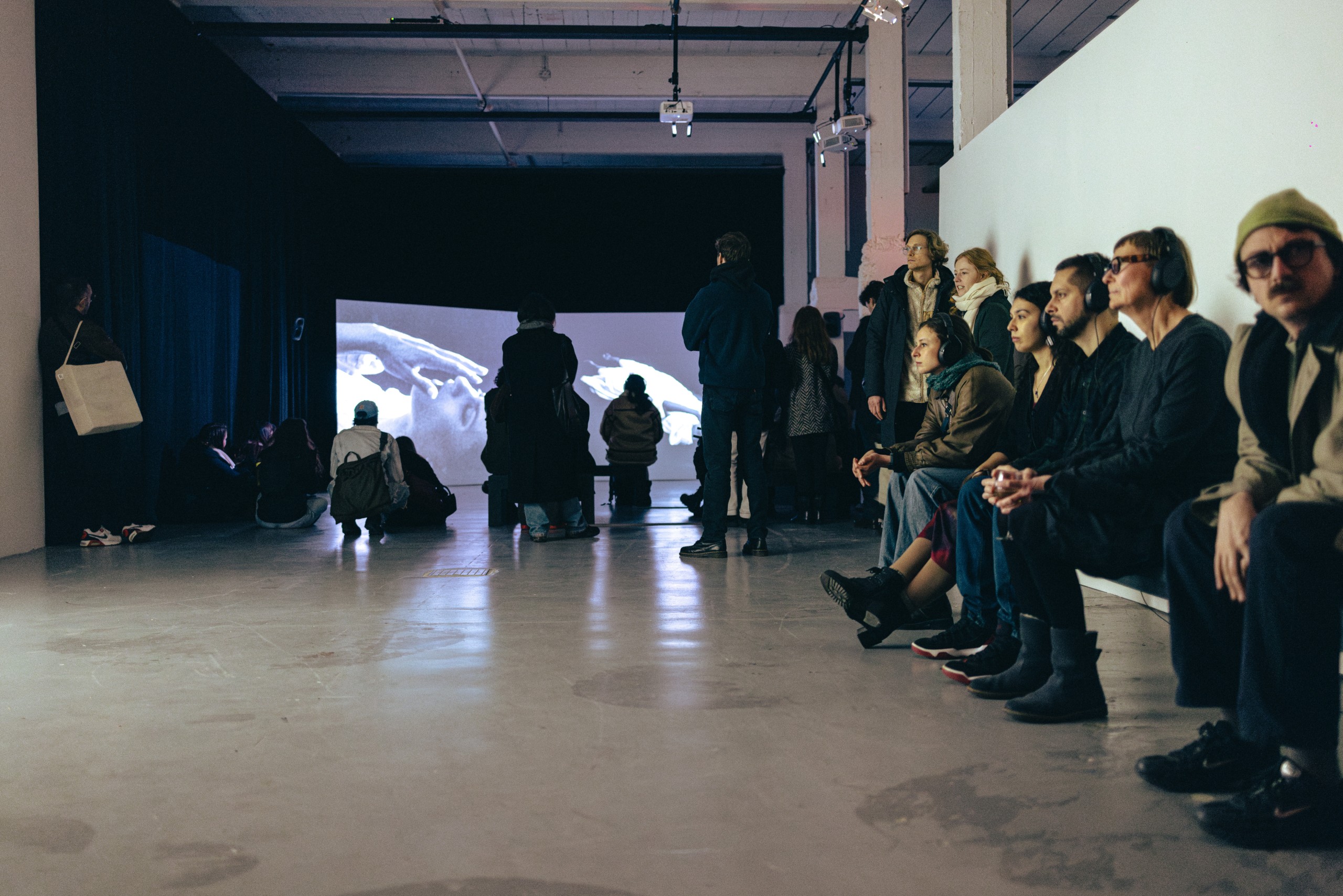
From Thursday until Sunday, you can find an alternating selection of films in our “blackbox”, alongside our main exhibition What the Land Remembers — Counter-Archives from Iran.
The works on display are part of Artists Film International, a touring film programme collectively curated and presented by fifteen international arts organisations, convened by Forma. This year, the programme’s theme is A Kind of Power, bringing together a selection of international artists whose films renegotiate the fraught legacies of representation and respond to the conditions under which people, histories, and territories are made visible.
Many of the artists move beyond critique alone, to explore how moving-image might create new forms of relation, attention, and collective presence. While some works confront contemporary systems of visibility directly, others propose alternative ways of inhabiting and understanding the world through ritual, memory, reciprocity, and acts of witnessing.
26.11
Ann Oren, Zoologische Gesellschaft (2021)
10’
selected by Video-Forum, Neuer Berliner Kunstverein (n.b.k.)
Malik Irtiza, Thokei (2024)
4’46”
selected by Project 88, Mumbai, India
Thaís Muniz, The Kite Ballet (2024)
11’51”
selected by Crawford Art Gallery, Cork, Ireland
27.11
Amaal Said, Open Country (2025)
13’10”
selected by Forma, London
Mila Turajlić, Non-Aligned Newsreels: Voices from the Debris [Algiers sessions] (2026)
20’
selected by Kulturni centar Beograda (Cultural Centre of Belgrade), Serbia
Alessandra Ferrini, Sight Unseen (2019)
18’54”
selected by Galleria d’Arte Moderna e Contemporanea di Bergamo, Italy
28.11
Kiyo Gutiérrez, nepantlera (2025)
13’14”
selected by LACE, Los Angeles, USA
Aqsa Arif, Raindrops For Rani (2025)
17’34”
selected by Tramway, Glasgow, Scotland
Razia Akbari, On the edge of Canvas (2025)
14’23”
selected by Center for Contemporary Arts Afghanistan in Exile e.V. (CCAA in eXiLe)
29.11
Video News #4
8’37”
Noriko Satoi, Milda Januševičiūtė, Deniz Inceoglu, Lukas Brašiškis, Ignė Narbutaitė, Akvilė Kabašinskaitė, Ieva Kotryna Ski
selected by Contemporary Art Centre (CAC), Vilnius
Ira Goryainova, Regarding Faustine (2024)
14’
selected by argos centre for audiovisual arts, Brussels, Belgium
Marte Hodne Haugen, Content Moderator (2022)
8’
selected by Tromsø Kunstforening, Norway
Downtown - Institution
argos is open to visitors for our current exhibition, ‘What the Land Remembers — Counter-Archives from Iran’ until 21.02.2027.
Opening hours:
From Thursday to Sunday, 11.00-18:00
Werfstraat 13 Rue du Chantier, 1000 Brussels, Belgium
Only the ground floor is wheelchair accessible. Our space does not have accessible toilets.
Visit the website
argos is a centre for audiovisual arts, based in Brussels. The organization celebrates artist films and videos through exhibitions, collections, public programming, distribution and a library. Home to Belgium’s largest collection of artist’s moving image works, argos explores the past, illuminates the present and shapes, with the help of many others, the future of audiovisual arts.