RendezVous
Exhibition: Figuratio
Figuratio

Charles Laib Bitton

Start 22 Apr 2026
End 04 Jul 2026
External link

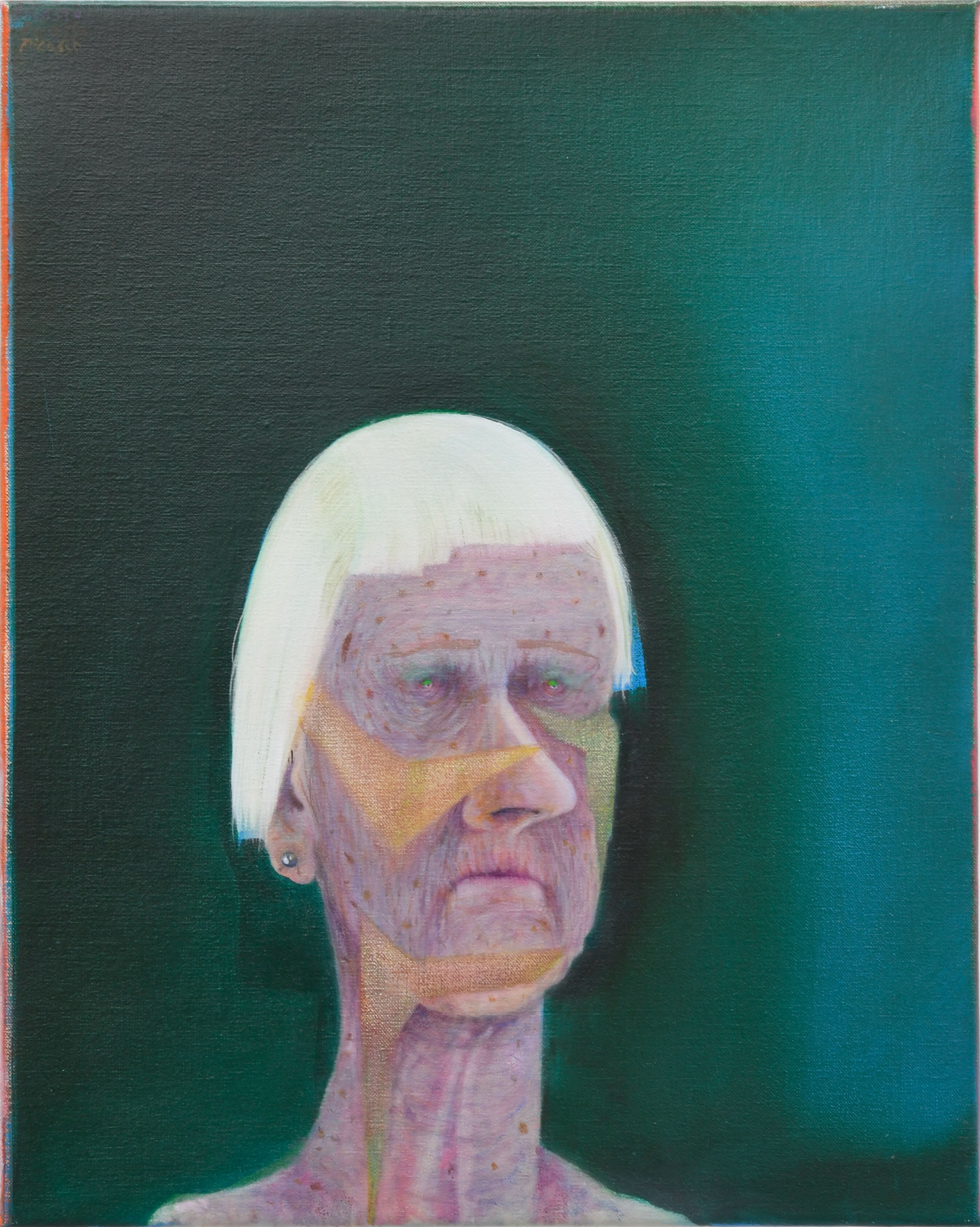
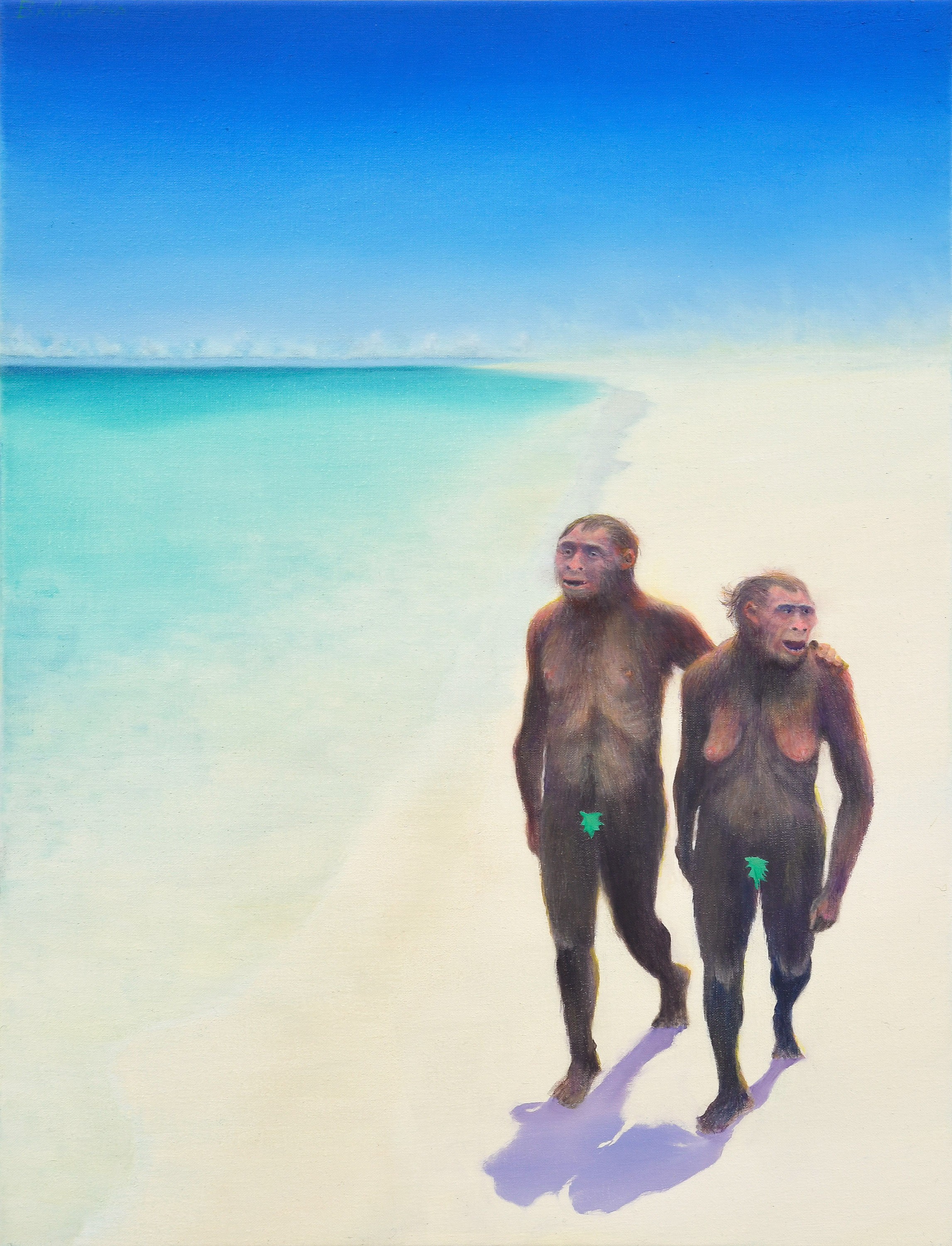
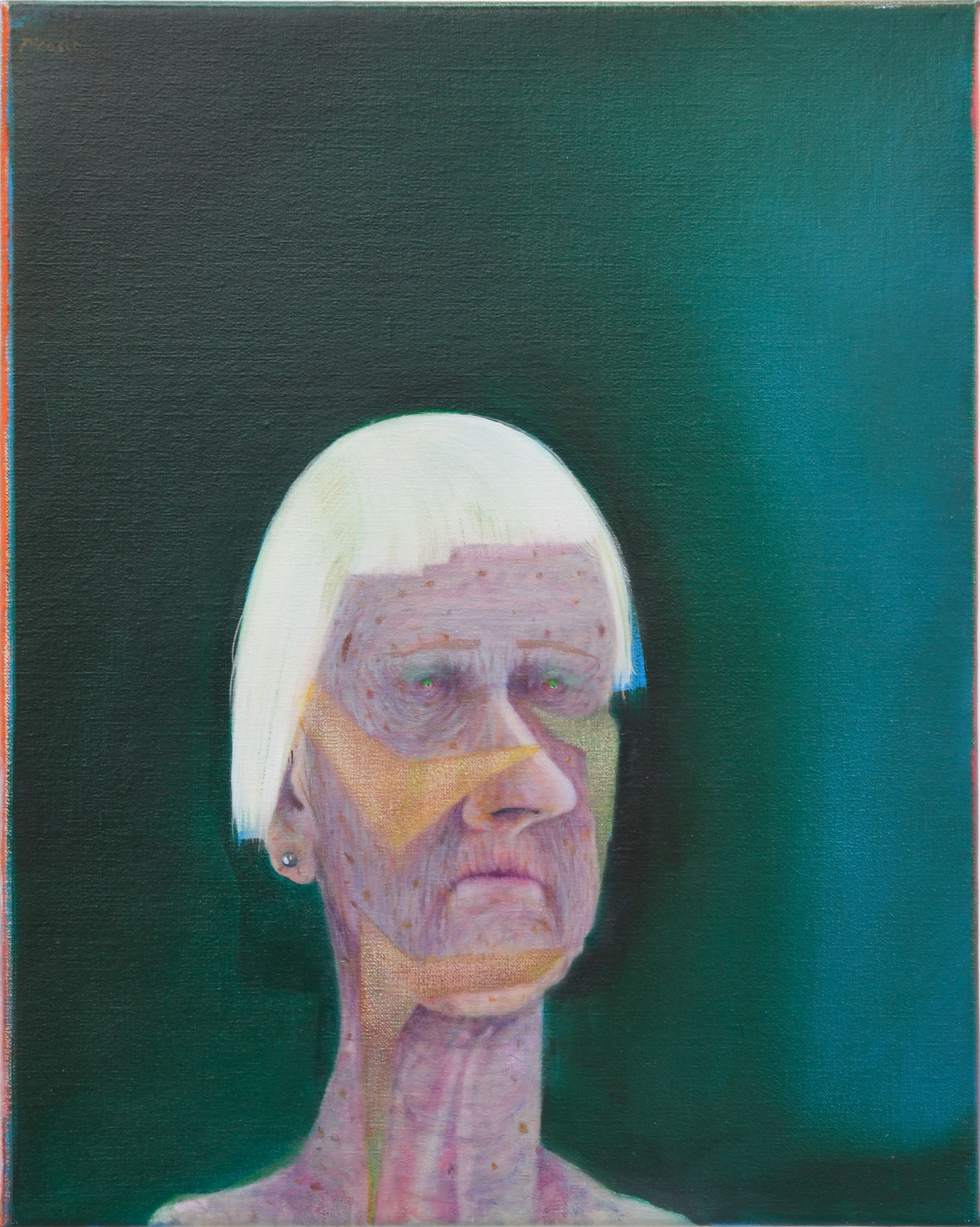
In Charles Laib Bitton’s paintings, nothing seems to try to dominate the scene. Children and adults sit on the same rattan chair, at the same height; animals, plants, and objects are arranged one after another on a studio stool. The floor—terracotta tiles—becomes a canvas for an almost geometric composition. All the figures appear against a light-colored wall, bathed in soft, natural light. All are rendered in a restrained palette, at times evoking the Italian Primitives, with a consistent economy of means. They are observed with equal attention, as if each presence were equivalent and demanded the same degree of patience and openness from the viewer.

This way of observing the world is reminiscent of the quiet attention Robert Walser paid to the most humble things. For the Swiss writer, walking, observing, or pausing before an ordinary detail becomes a way of inhabiting reality with intensity and humanity. Bitton’s paintings stem from a similar sensibility: they reject grandstanding and favor a relationship with the subject that requires a certain duration, a gradual adjustment of the gaze.

This apparent simplicity and closeness to the subject is, however, accompanied by a certain opacity. His figures are neither portraits in the strict sense nor archetypal representations. Rather, they appear as intermediary presences, emerging from a combination of observation, memory, and invention. Their slightly veiled gaze, as if held back behind the surface of the painting, echoes Richard Marienstras’s description of the Golem: a creature almost human in appearance, whose strangeness is betrayed only by a slight alteration. The figures painted by Bitton possess something of this ambiguity. Is it because they carry within them a certain incompleteness, the same mutilation as the Golem? Motionless and pensive, adopting the traditional postures of melancholy and rendered with touches of verdaccio, they gaze toward the viewer; familiar, yet never quite graspable.

The brushwork itself remains open, at times loose, allowing a degree of indeterminacy to persist. Rather than capturing his subjects through photography, the artist works from videos, seeking presence rather than a specific pose. His “qualityless” figures (that is, devoid of heroism) nevertheless lend a particular quality to the space they occupy. Their discreet and restrained energy places them at a certain distance that is not one of superiority but of modesty.

Bitton’s work thus goes against the grain of a visual culture saturated with fast-paced, instantly comprehensible images. Instead, it embraces a form of minimalism. In this almost monastic simplicity, the painting becomes a focal point. In some respects, it brings to mind the meditative simplicity of Fra Angelico, with whom he seems to share a similar artistic rigor.

What is at stake in these works is perhaps not so much the representation of a subject as the emergence of a presence—fragile, attentive, always somewhat elusive—that can only be approached through a patient gaze. To those who are willing to linger, these paintings gradually offer a form of silent familiarity, like an invitation to slow down and, over time, experience a different way of seeing.

– “L’attention des images”, Gatien DU BOIS

About the venue
Irène Laub Gallery

Uptown - Gallery
Rue Van Eyck 29, 1050 Ixelles
Visit the website

Since 2017, Irène Laub gallery has been exhibiting established artists in its Brussels space and at a selection of international fairs. The gallery features several generations of Belgian and international artists who are either presented solo to offer an immersion into the heart of their practice, or brought together around themes linked to landscape, architecture and intimate or political identities.

The represented artists showcase a wide range of mediums. The gallery is conceived as a space for experimentation, enabling them to test the boundaries of their chosen discipline, by testing the physical nature of the work and its relationship to space, or by exploring the relevance of their creations in the social sphere.

In 2018, the gallery moved to a new location and devoted itself to developing a demanding and ambitious exhibition program, aimed at promoting a fruitful dialogue between artists, curators and institutions.