Jeppe Hein
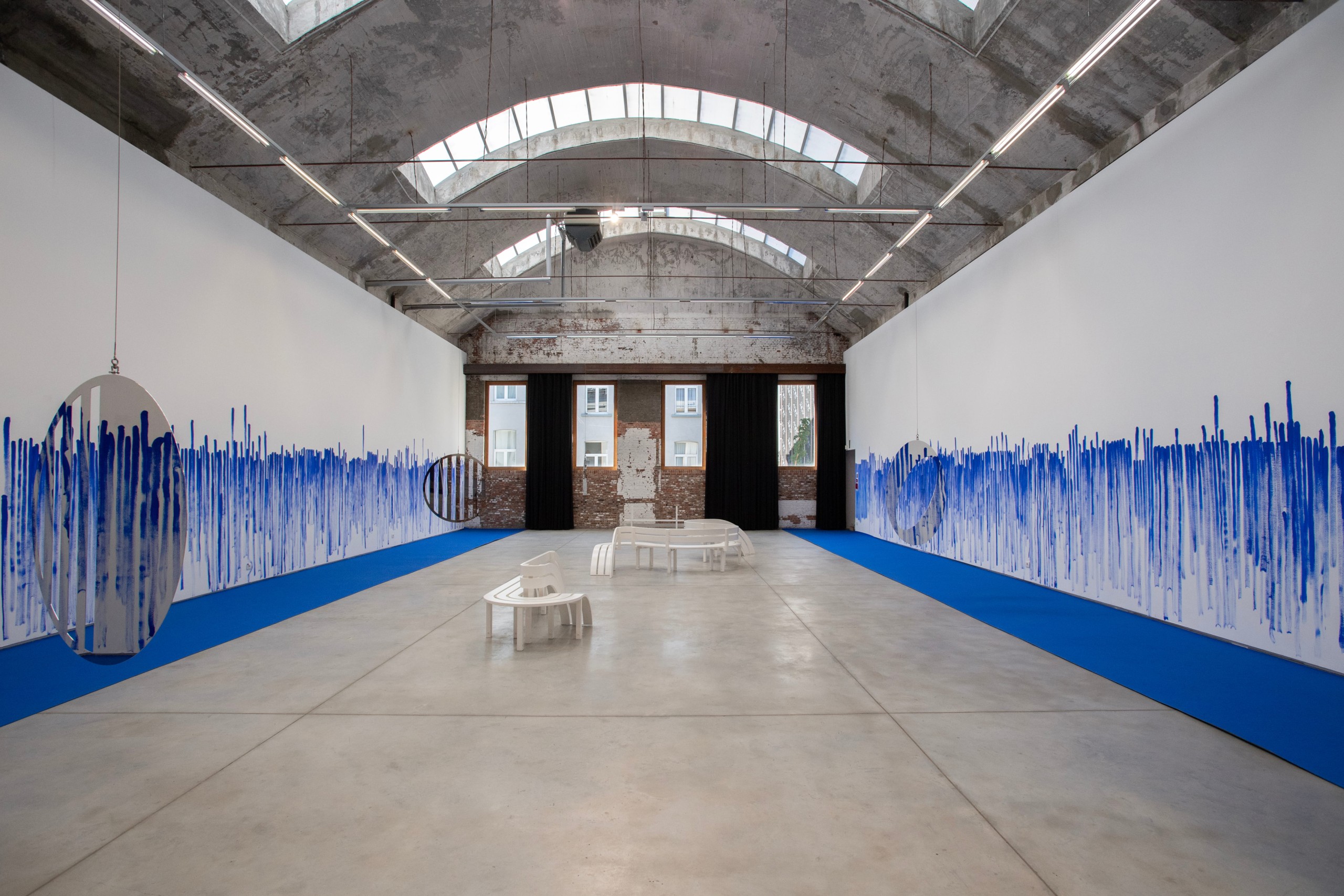
Reflections on Breathing by Danish artist Jeppe Hein opened at the Vanhaerents Art Collection Project Space on Saturday 25 April 2026 and is on view until 31 December 2026.
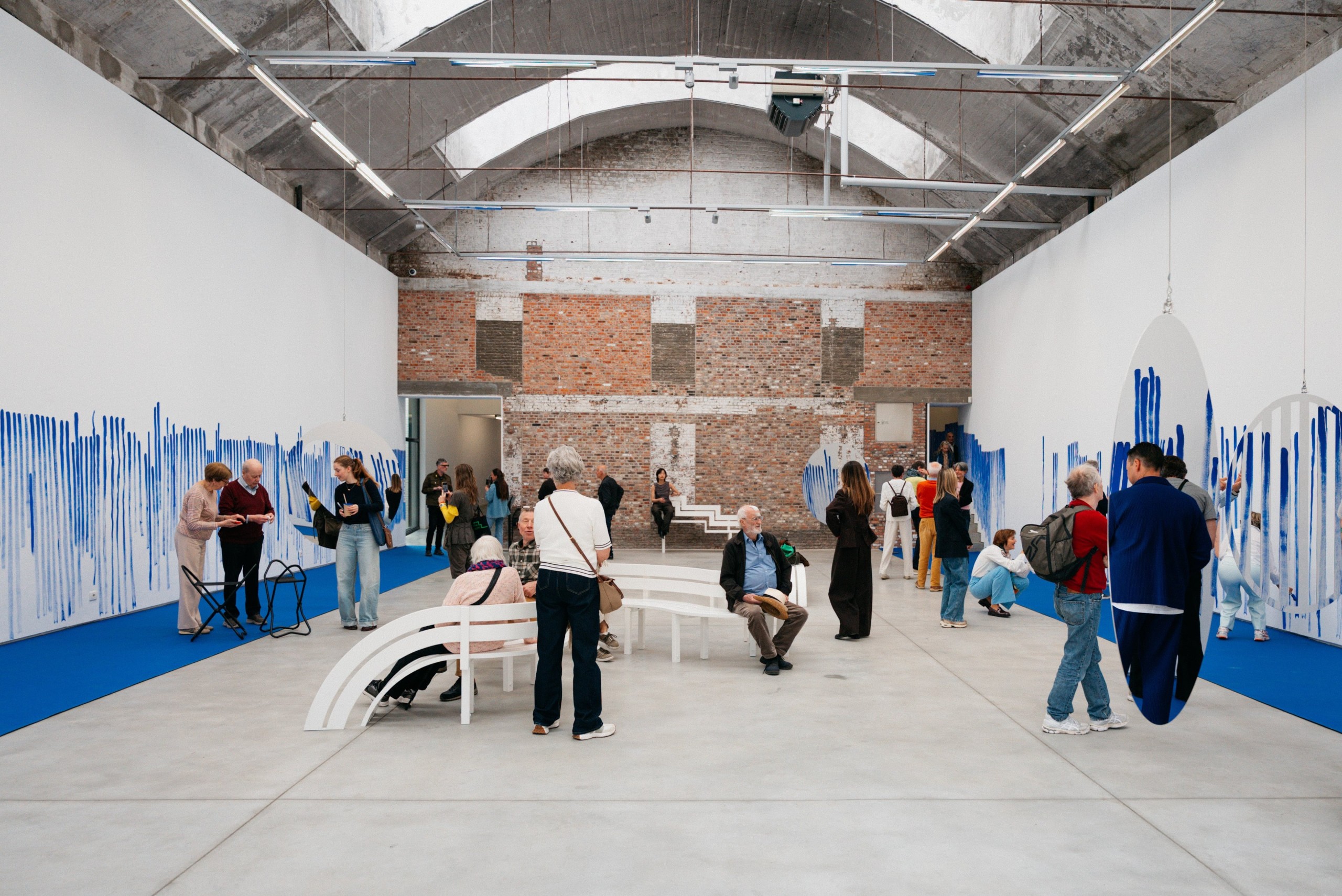
The exhibition brings together Hein’s participatory breathing project Breathe With Me, a selection of Modified Social Benches, and a group of rotating mirror sculptures.
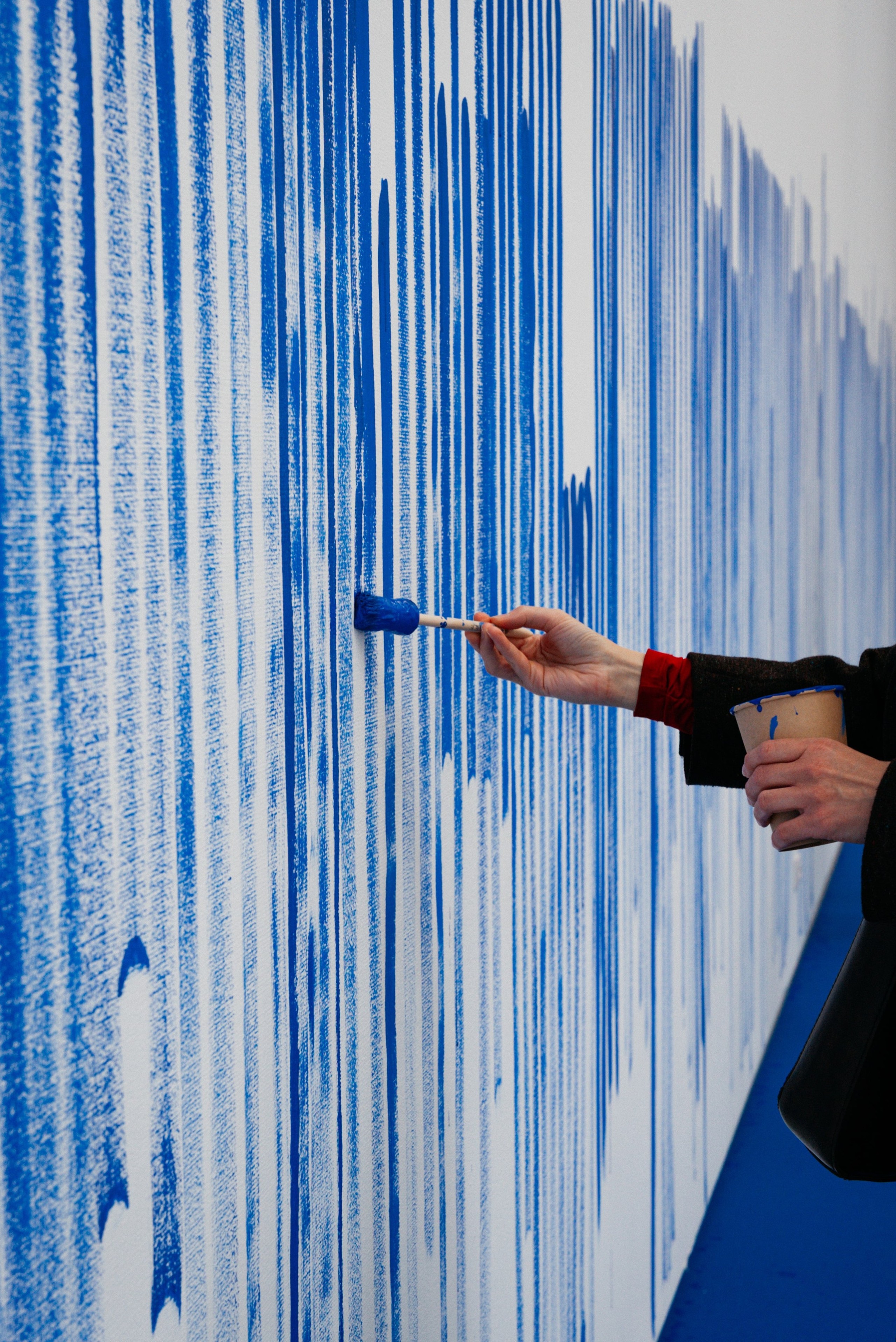
At the heart of the exhibition lies Breathe With Me, a large-scale participatory artwork that invites visitors to paint their own breath. Each exhale is translated into a simple blue line on the canvas walls — one line per breath. Over time, these individual gestures accumulate into a collective drawing: a shared portrait of presence, mindfulness, and connection.
Both intimate and universal, Breathe With Me transforms the act of breathing into a moment of reflection on ourselves, our communities, and the world around us. First initiated in 2019 in collaboration with ART 2030 and presented at the United Nations Headquarters and in Central Park, New York, the project has since travelled internationally, inviting audiences across cultures and contexts to participate in a collective breath for the world.
The exhibition is further expanded through Hein’s Modified Social Benches, a long-running series that emerged from his investigations into architecture, communication, and social behaviour in public space. Based on the familiar form of the park bench, these sculptural works are subtly — and sometimes radically — altered. By disrupting comfort and symmetry, the benches turn sitting into a conscious physical experience, encouraging interaction, movement, and exchange between users and passers-by. Rather than spaces of rest alone, they become places of activity and social engagement.
Complementing these works are Hein’s Rotating Mirrors: suspended, double-sided mirror sculptures that slowly rotate within the space. Through fragmentation, reflection, and motion, the mirrors continuously recompose the surrounding architecture and its visitors. As reflections shift and overlap, the space appears multiplied and infinite, offering ever-changing perspectives that cannot be perceived with the naked eye alone.
Together, these works create an environment that invites participation, awareness, and play — gently guiding visitors to slow down, breathe, and become conscious of their presence within a shared space
A Dinner in Dialogue — Vanhaerents Art Collection × détail.
After dark during Rendez-vous weekend, we’re turning the collection into a menu.
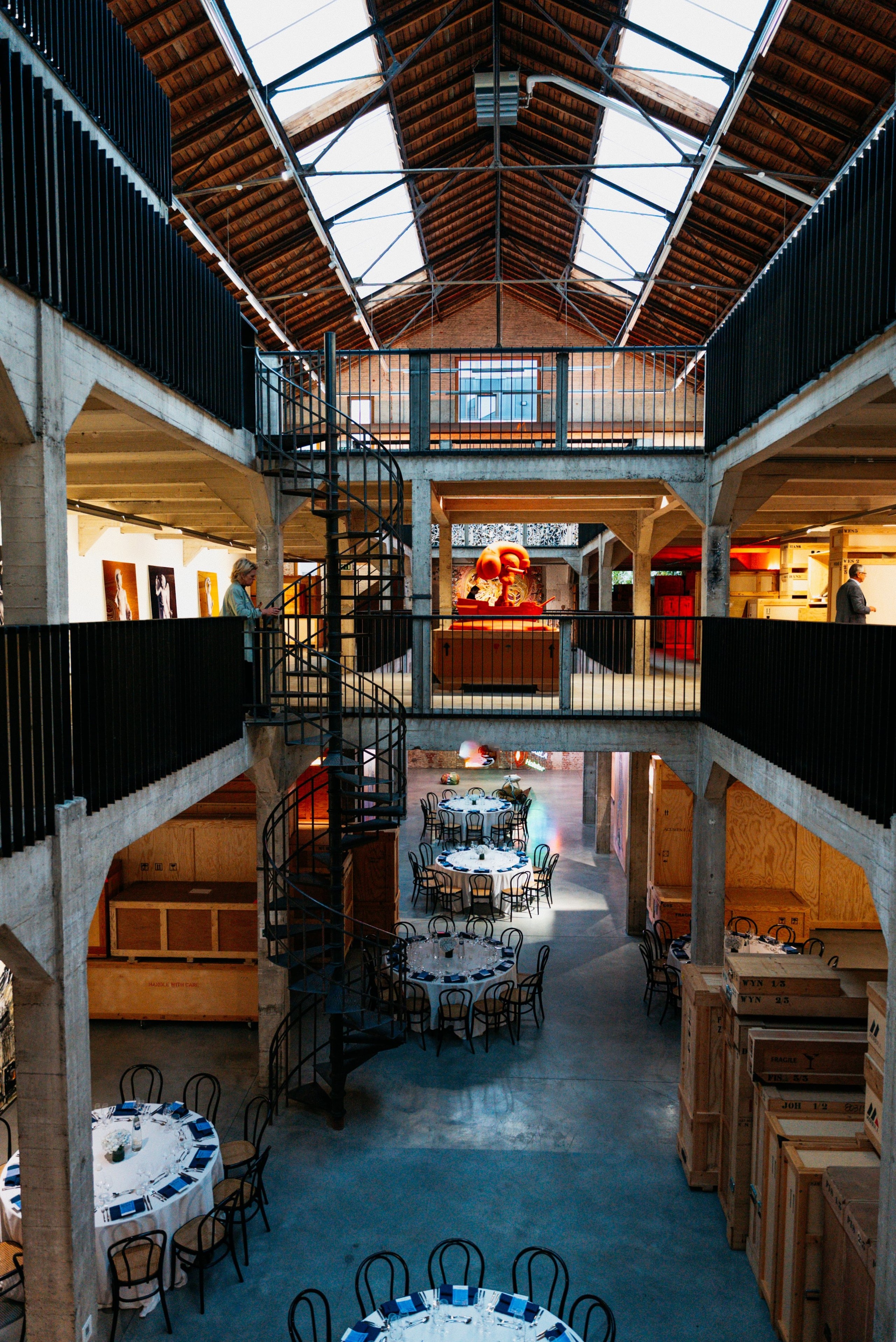
On Friday 11 and Saturday 12 September, the Vanhaerents Art Collection teams up with détail., a disruptive culinary studio, for a roaming journey through the galleries — where every artwork has something to say, and something to serve.
Guests move through the collection in five moments, each course conceived as a response to a work on view. A wall of shattered mirrors becomes a plate of fragments. A Franz West panel becomes an invisible kitchen where nothing is quite what it seems. A Jeppe Hein installation turns breath, reflection and movement into a course you experience as much as you taste. And Dominic Chambers’ red room becomes the place where the evening slows down, guards come down, and conversation takes over. And much more along the way.
Not a dinner beside art, but a dinner in conversation with it — where the table becomes an extension of the gallery, and taste becomes another way of looking.
Bites, drinks, and five artworks. One evening, told in five courses.
Two evenings only — Friday 11 & Saturday 12 September.
Vanhaerents Art Collection × détail.
📍 Anneessensstraat 29, 1000 Brussels
🎟️ Bookings via détail. — @__detail.
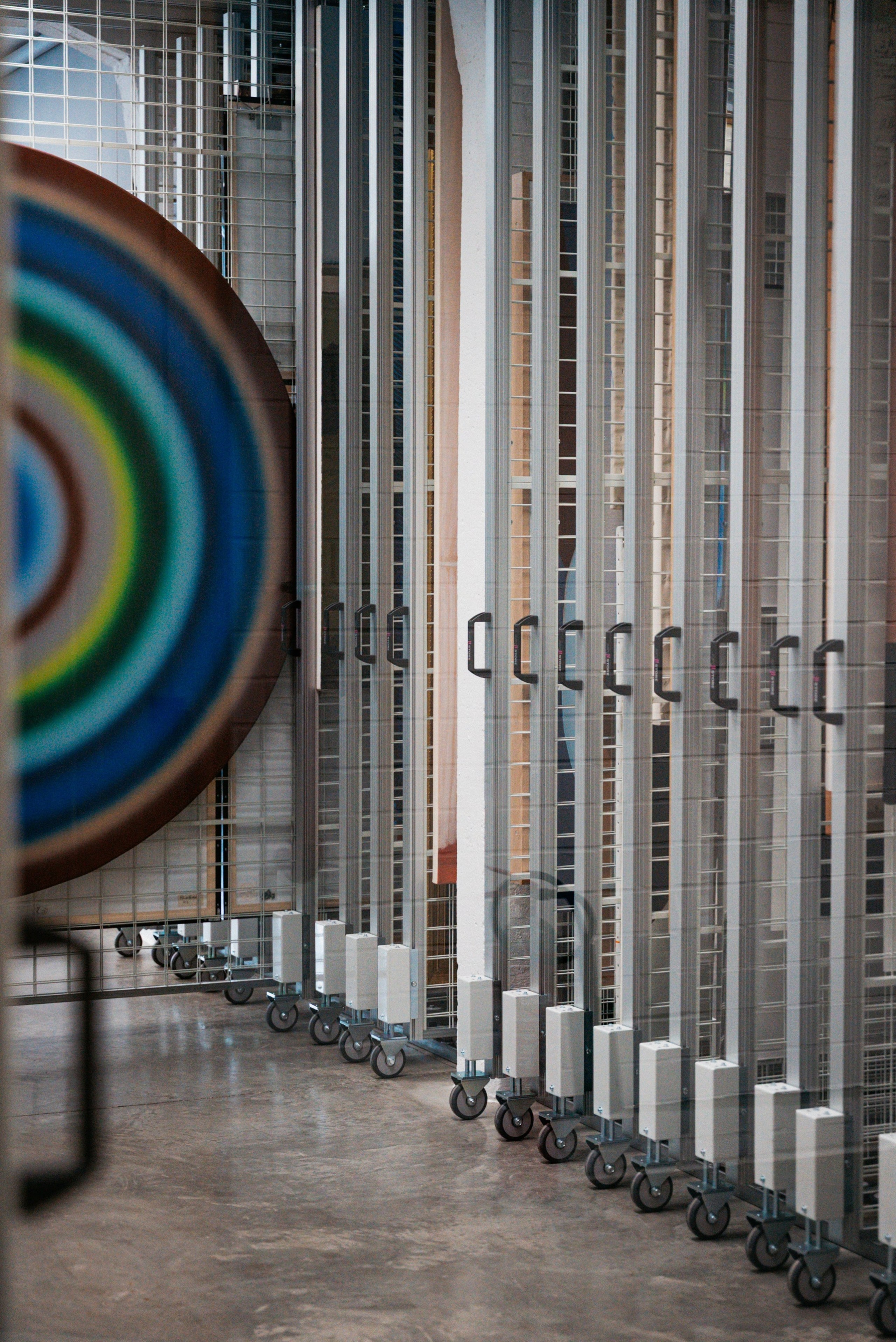
In 2017, on the occasion of its ten-year anniversary, the Vanhaerents Art Collection radically reshaped the way it presented its holdings to the public. Moving away from conventional exhibition models, the collection embraced the concept of the viewing depot, where aesthetics and functionality merge, offering visitors an unprecedented behind-the-scenes encounter with one of Europe’s most significant private collections of contemporary art. Spanning more than 3,500 m², the viewing depot allows direct access to a body of work accumulated over nearly four decades by the Vanhaerents family.
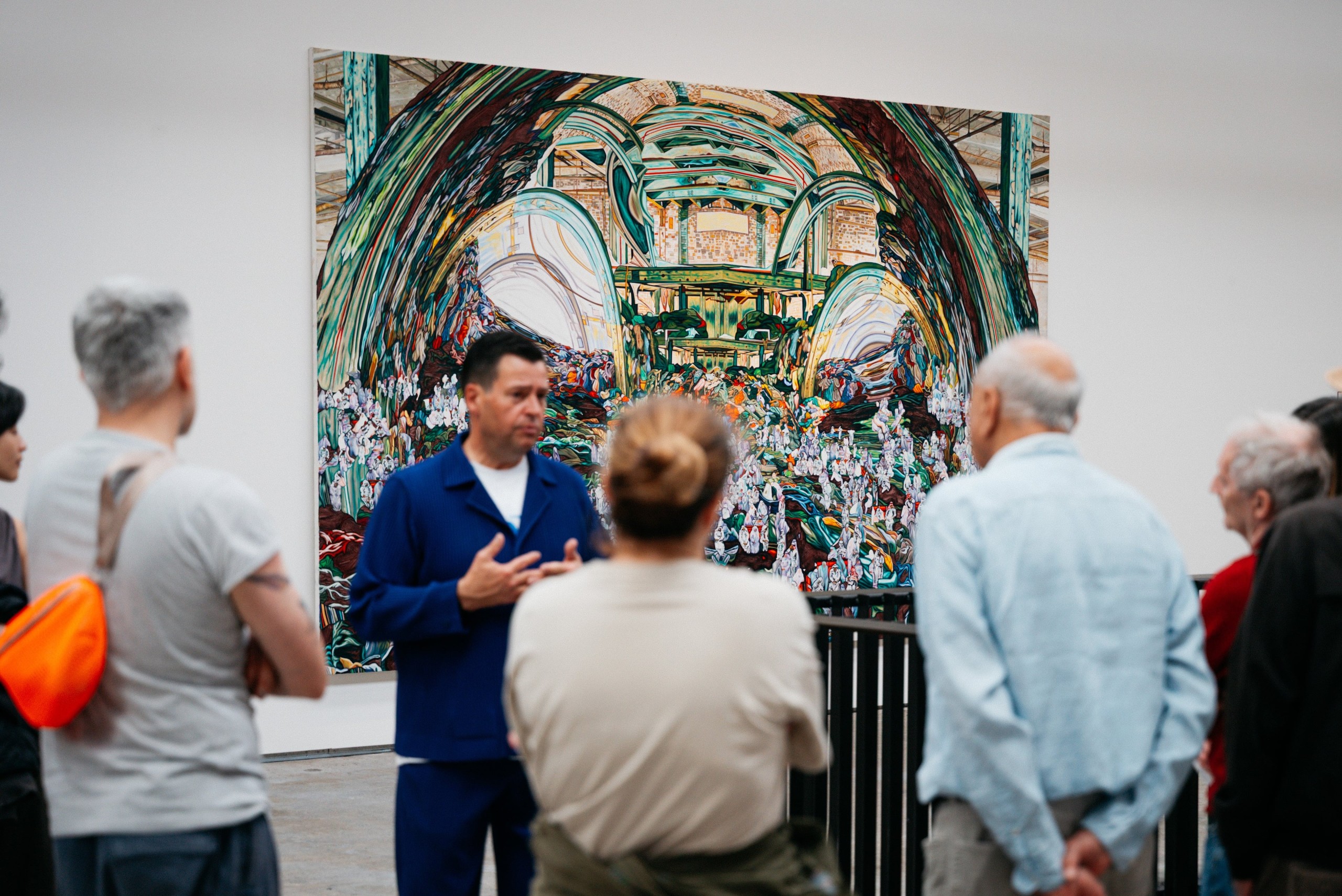
Opening on 24 April 2024 in Brussels, EXH#03 is the third major presentation within this unique setting, curated by Walter Vanhaerents together with his children Joost and Els. Associative in nature, the exhibition highlights recent acquisitions and seminal works, brought together across all three floors of the collection. Drawing inspiration from the Chinese zodiac signs —EXH#03 presents large-scale works that fuse aesthetic innovation with emotional directness and intensity, while resonating with urgent social and cultural questions of our time.
The works on view delve into themes such as oppression, the deprivation of freedom, and the erosion of individuality. Each artist offers a unique perspective:
Stephan Balleux (b. 1974) conveys alienation and the distortion of the human form in his stark grisaille painting The Guardian (2007).
Gregory Crewdson (b. 1962) explores the isolating nature of American suburbia in his cinematic series Beneath the Roses.
Alvaro Barrington (b. 1983) substitutes canvas with jute, evoking undervalued labour and overlooked trade in a reflection on social inequality.
Jonathan Meese (b. 1970) confronts audiences with provocative statements that probe authority and ideology.
Zakaria Ramhani (b. 1983) challenges religious traditions and condemns political violence in layered, thought-provoking works.
Jin Meyerson (b. 1972) examines natural disasters, human migration, and industrial transformation, addressing forces that shape societies.
Ugo Rondinone (b. 1964) invites introspection and melancholy through minimal yet deeply resonant works.
Aaron-Viktor Peeters (b. 1994) reflects on migration and mobility, referencing a mountain formed by Italian immigrant labour in the mining region of Genk, Belgium.
Gillian Wearing (b. 1963) employs masks to reveal complex layers of identity and persona.
Eddy Kamuanga Ilunga (b. 1991) exposes the exploitation of Congolese people and resources, confronting systemic injustices.
Gilbert & George (b. 1943 and 1942) provocatively insert their own bodies into Bloody Mooning, set against imagery of bodily fluids, critiquing society’s self-destructive impulses.
EXH#03 thus offers a powerful and multifaceted journey through contemporary art, intertwining aesthetic force with pressing reflections on the human condition.
A Dinner in Dialogue — Vanhaerents Art Collection × détail.
After dark during Rendez-vous weekend, we’re turning the collection into a menu.
On Friday 11 and Saturday 12 September, the Vanhaerents Art Collection teams up with détail., a disruptive culinary studio, for a roaming journey through the galleries — where every artwork has something to say, and something to serve.
Guests move through the collection in five moments, each course conceived as a response to a work on view. A wall of shattered mirrors becomes a plate of fragments. A Franz West panel becomes an invisible kitchen where nothing is quite what it seems. A Jeppe Hein installation turns breath, reflection and movement into a course you experience as much as you taste. And Dominic Chambers’ red room becomes the place where the evening slows down, guards come down, and conversation takes over. And much more along the way.
Not a dinner beside art, but a dinner in conversation with it — where the table becomes an extension of the gallery, and taste becomes another way of looking.
Bites, drinks, and five artworks. One evening, told in five courses.
Two evenings only — Friday 11 & Saturday 12 September.
Vanhaerents Art Collection × détail.
📍 Anneessensstraat 29, 1000 Brussels
🎟️ Bookings via détail. — @__detail.
Downtown - Institution
Saturday 10 AM - 5PM
Rue Anneessens 29, 1000, Brussels
Visit the website
The Vanhaerents Art Collection is a family-driven endeavor founded by Walter Vanhaerents and today carried forward with his children, Els and Joost. What began in the 1970s—when a young Walter started acquiring works considered fierce and radical—has since evolved into a distinctive and internationally recognized collection that continues to grow with an independent, curiosity-driven eye.
Born in 1945 in Torhout, Walter briefly studied medicine before joining the family construction firm founded by his father, Leon Vanhaerents. His entrepreneurial path enabled the pursuit of a parallel passion: collecting art. Early encounters with German museums in the 1980s, notably in Mönchengladbach and Cologne, became transformative experiences that shaped a transnational and architecturally informed outlook on art.
A lifelong fascination with film aesthetics—nurtured by early exposure to Andy Warhol’s “slow films” (Sleep, Lonesome Cowboys)—sharpened Walter’s sensitivity to form and time. Artists such as Bruce Nauman later expanded this inquiry through neon, performance, and video. From these beginnings emerged a guiding principle that still defines the Collection today:
“Buy with your eyes and your heart, not your ears.”
As the art world globalized throughout the 1980s and 1990s, the Collection expanded its horizons—embracing Japanese contemporaries such as Takashi Murakami, Yoshitomo Nara, and Chiho Aoshima, while maintaining its commitment to discovery and risk-taking. Over time, it has grown to include major works by Andy Warhol, Cindy Sherman, Barbara Kruger, Jenny Holzer, Allan McCollum, Bruce Nauman, John Baldessari, Jeff Koons, Christian Boltanski, Franz West, and Paul McCarthy, among many others.
In recent years, the Vanhaerents Art Collection has further broadened its scope to include a strong focus on African and Afro-American artists, reflecting a commitment to cultural diversity and to amplifying voices that challenge and enrich the canon of contemporary art.
Since 2018, the Collection has been housed in a 3,500 m² converted warehouse in Brussels’ Dansaert district, redesigned by Robbrecht en Daem architecten. This innovative viewing depot model intertwines presentation, storage, and research, allowing visitors to engage directly with the living mechanics of a collection in motion. Through flexible large-scale displays, it revisits icons, highlights under-seen narratives, and continuously tests new ways of looking at art.